Available
Harakiri (1962)
切腹
Synopsis
Hide synopsis
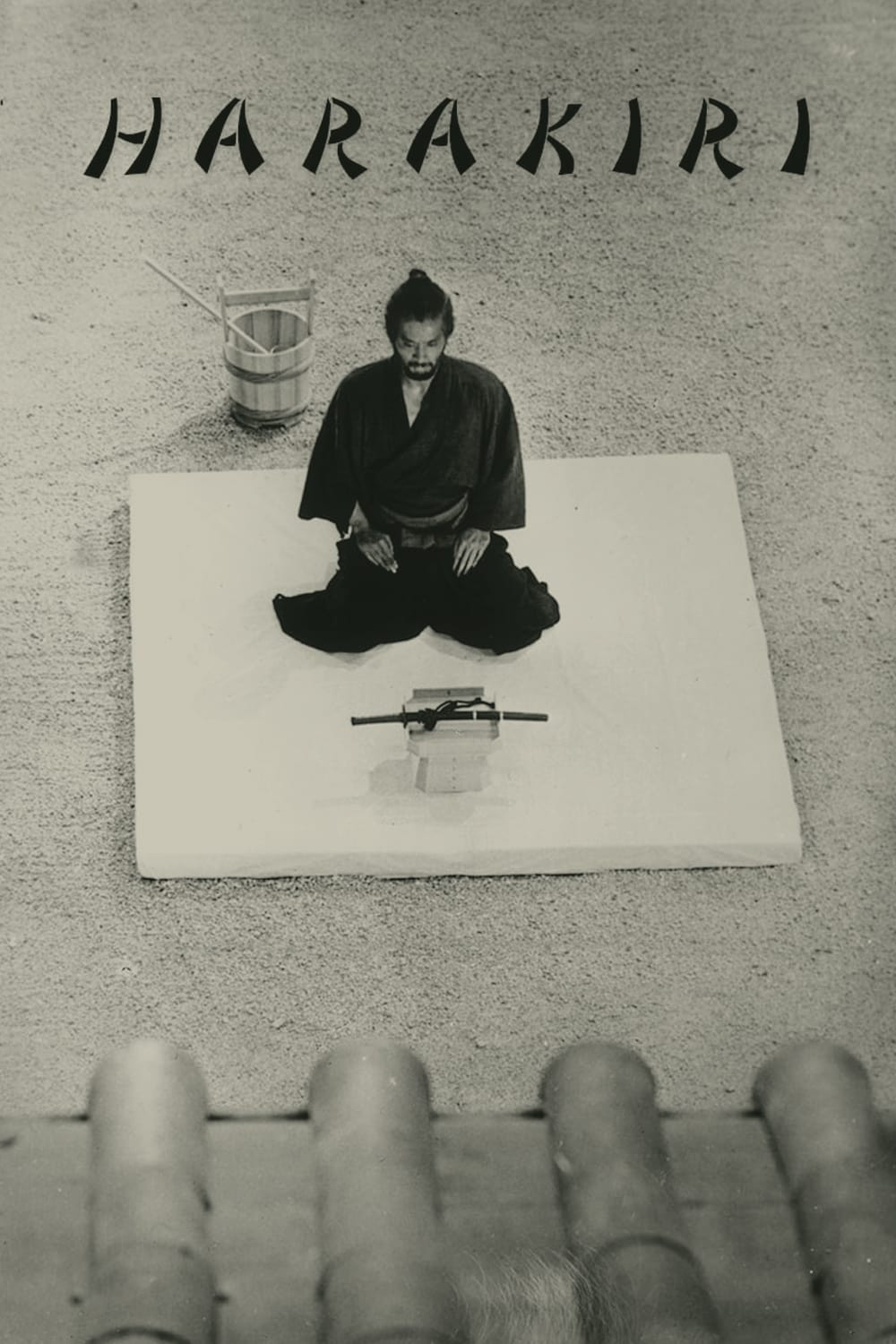
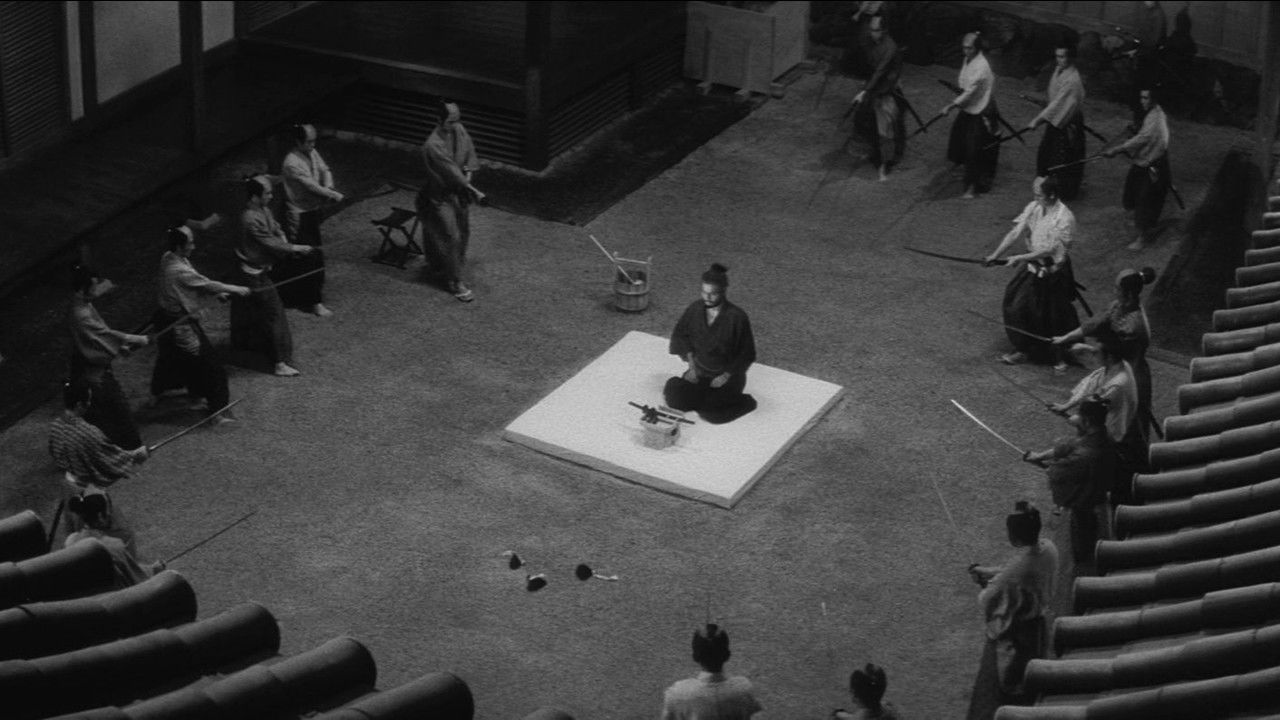
Down-on-his-luck veteran Tsugumo Hanshirō enters the courtyard of the prosperous House of Iyi. Unemployed, and with no family, he hopes to find a place to commit seppuku—and a worthy second to deliver the coup de grâce in his suicide ritual. The senior counselor for the Iyi clan questions the ronin’s resolve and integrity, suspecting Hanshirō of seeking charity rather than an honorable end. What follows is a pair of interlocking stories which lay bare the difference between honor and respect, and promises to examine the legendary foundations of the Samurai code.
Content warnings
- ● suicide
Inferred from film keywords
Cast
Crew
Reviews
It's a film that might scare modern audiences a bit, but it deserves the opportunity we want to give it. In addition to having a very strong film industry, Japan is a country with a very rich past that we in the West tend to devalue. A somewhat ethnocentric attitude, more typical of small minds. For a long time, the Japanese were a people divided by several feudal princes who fought among themselves, disputing power and regional influence. It was in this context, moreover, that the first contact between the Japanese and the Portuguese took place, the first Westerners to disembark, demonstrably (Marco Polo speaks of the Japanese, but he probably never went there), on the islands of Japan, where they took the first firearm, the Christian faith and a strong cultural influence: even today, in the Japanese language, there are hundreds of words directly imported from Portuguese. The film that brought me here tells us about one of the most fascinating traditional figures of Japan: the samurai, a warrior similar, in essence, to the European knight. They were educated people who were willing to live off the war, as paid mercenaries'.
Filipe Manuel Neto · Full review
Sign in to add this film to your library, write reviews, and track your watching.
