Skip to content

ReelRoute Auto-generated

Marcel Łoziński
18 films in this ReelRoute

Filmography for Marcel Łoziński, sourced from TMDB.

This automatically generated ReelRoute is a starting point, not a complete filmography.

Generated from TMDB director credits, not curated.
Poster for Absolutorium (1971) 1 20m

Absolutorium

1971

1

Absolutorium

1971 · 20m

A group of director's school colleagues meet after 12 years at his place. They talk about what they think of their life choices.

View details
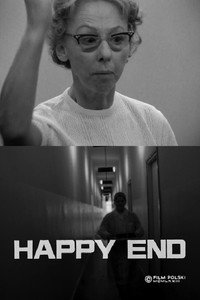
Poster for Happy End (1973) 2 17m

Happy End

1973

2

Happy End

1973 · 17m

A purge in the style of those of March 1968 is to take place at a party meeting. Instead, it turns into a psychodrama.

View details
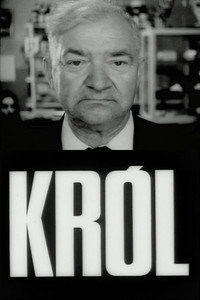
Poster for The King (1974) 3 7m

The King

1974

3

The King

1974 · 7m

Brief portrait of a conformist.

View details
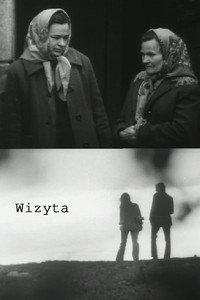
Poster for The Visit (1974) 4 15m

The Visit

1974

4

The Visit

1974 · 15m

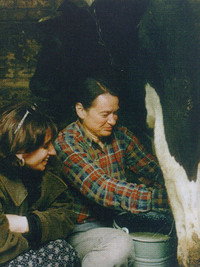
A "Polityka" weekly journalist Marta Wesolowska and photo-reporter Erazm Ciolek visit Urszula Flis, who runs a country farm. A young woman living on her own, Flis is an untypical villager in that she is interested in culture, corresponds with writers, etc.

View details
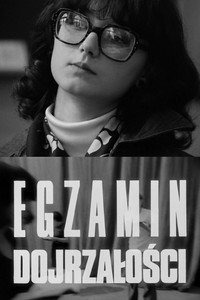
Poster for Matriculation (1979) 5 16m

Matriculation

1979

5

Matriculation

1979 · 16m

The final oral exam in history and social studies at one of Warsaw's high schools. The film illustrates the theatre of social life in Soviet Poland where one says different things on the stage and another behind the scenes.

View details
Poster for Microphone's Test (1980) 6 19m

Microphone's Test

1980

6

Microphone's Test

1980 · 19m

A Warsaw Pollena-Uroda cosmetics factory radio broadcaster is working on a programme investigating the workers' sense of factory ownership. The workers' answers come as a surprise, especially to the management. About the ruling and the ruled in communist Poland.

View details
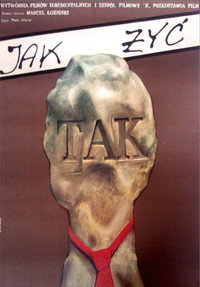
Poster for How to Live (1981) 7 1h 23m

How to Live

1981

7

How to Live

1981 · 1h 23m

A holiday training camp for young married couples who belong to the Polish Socialist Youth Union (ZSMP) begins at the campsite. From the commander's welcome speech, they learn that a film crew will record camp life and training classes under the slogan "Model Family".

View details
Poster for My Place (1986) 8 15m

My Place

1986

8

My Place

1986 · 15m

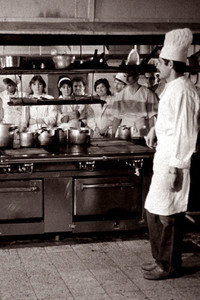
At the famous Grand Hotel in Sopot, each worker - whether a porter, a maid, a cook or a stoker - feels an important part of their workplace. Perhaps even the most important.

View details
Poster for Workshop Exercises (1986) 9 12m

Workshop Exercises

1986

9

Workshop Exercises

1986 · 12m

A street poll about contemporary youth. The answers are engineered to show the manipulation of propaganda and television.

View details
Poster for Witnesses (1987) 10 27m

Witnesses

1987

10

Witnesses

1987 · 27m

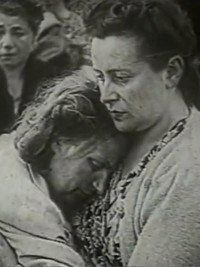
On July 4th, 1946, the crowd in Kielce, Poland, slaughtered forty-two Jews and wounded many others. Forty years later, in 1987, Marcel Łoziński visited those places and met some witnesses of the carnage.

View details
Poster for The Katyn Forest (1990) 11 55m

The Katyn Forest

1990

11

The Katyn Forest

1990 · 55m

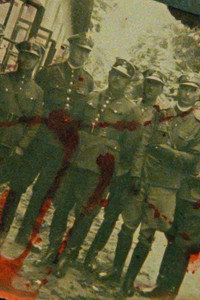
Marcel Łoziński tells the story of the crime committed by the NKVD in Katyn in 1940. He interweaves accounts of witnesses and survivors with images from the pilgrimage of members of Katyn Families to the place of murder, death and nameless burial of their loved ones.

View details
Poster for 89 mm from Europe (1993) 12 12m

89 mm from Europe

1993

12

89 mm from Europe

1993 · 12m

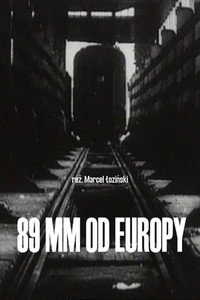
This movie shows the simplest difference between Europe and former Soviet Union. It is the eponymous 89 mm - Russian train tracks are 89 mm wider than tracks in European countries. And because of this fact, it is not easy to go through the Soviet border by train in Brest as the passengers in the film do.

View details
Poster for Autoportret (1993) 13

Autoportret

1993

13

Autoportret

1993

View details
Poster for Anything Can Happen (1995) 14 39m

Anything Can Happen

1995

14

Anything Can Happen

1995 · 39m

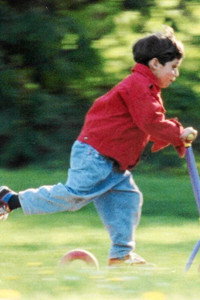
A story of life and death, featuring Lozinski's six-year-old son Tomaszek and elderly people spending time on the benches of a Warsaw park. Riding his scooter, Tomaszek asks the elderly very adult, though basic, questions, which they are happy to answer. The boy's ideas of future and life are confronted with those of men at the end of their lives.

View details
Poster for So it Doesn’t Hurt (1998) 15 47m

So it Doesn’t Hurt

1998

15

So it Doesn’t Hurt

1998 · 47m

Polish filmmaker Marcel Łoziński revisits the farmer/intellectual Urszula Flis, subjects of his 1978 film 'A visit'. Łoziński observes the changes that have occurred over the intervening 23 years and again persuades this sensitive, secluded woman to talk through her thoughts, fears and feelings. Through this, the morality of the documentary portrait itself is called into question.

View details
Poster for I Remember (2002) 16 1h

I Remember

2002

16

I Remember

2002 · 1h

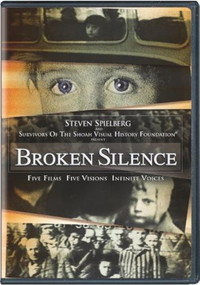
Weaves together the personal recollections of four Polish survivors of the Holocaust with original footage from the present day. The film focuses specifically on the relations between Jews and Poles in Nazi occupied Poland.

View details
Poster for How It's Done (2006) 17 1h 28m

How It's Done

2006

17

How It's Done

2006 · 1h 28m

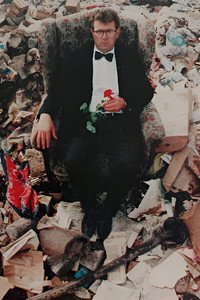
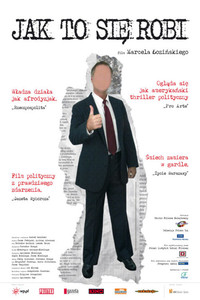
Piotr Tymochowicz, media advisor to some of Poland's top politicians, claims that anybody can be molded into a charismatic leader. To prove it he's looking for a greenhorn that can be turned into a candidate. A call is put out for would-be participants, and hundreds apply. A small group is selected and under go training. Polish master Marcel Lozinksi followed Tymochowicz and this project for three years, and this beautifully shot and edited work paints a compelling portrait of cynical (and quite familiar) demagogy and populism in action.

View details
Poster for If It Happens (2007) 18 39m

If It Happens

2007

18

If It Happens

2007 · 39m

Tomek, Marcel Lozinski's son, is eighteen now. Exactly twelve years ago, when he was six, his father filmed him while he was visiting a park in Warsaw. Tomek used to stop next to some old people sitting on the benches, and, with childish frankness, would ask them questions about joy, loneliness, fear of death, dreams, love and lack of love. Now, after twelve years, on his birthday, Tomek comes back to the garden of his childhood. A magical encounter will commence.

View details