Skip to content

ReelRoute Auto-generated
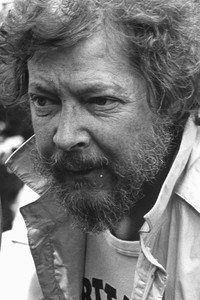
Gilles Groulx
Gilles Groulx
10 films in this ReelRoute

Filmography for Gilles Groulx, sourced from TMDB.

This automatically generated ReelRoute is a starting point, not a complete filmography.

Generated from TMDB director credits, not curated.
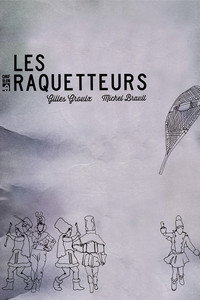
Poster for The Snowshoers (1958) 1 15m

The Snowshoers

1958

1

The Snowshoers

1958 · 15m

This short documentary records the celebration and ritual surrounding a snowshoe competition in Sherbrooke in the late 1950s. The film marked the beginning of a new approach to reality in documentary and prefigures the trademark style of the NFB's newly formed French Unit. Today, "Les raquetteurs" is considered a precursor to the birth of direct cinema.

View details
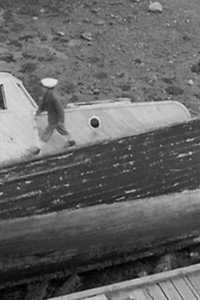
Poster for France on a Pebble (1960) 2 29m

France on a Pebble

1960

2

France on a Pebble

1960 · 29m

The 4,000 inhabitants of the archipelago of Saint-Pierre-et-Miquelon describe it as a caillou—a tiny rock on which they live, lost in the shadow of Newfoundland. There is something mysterious and inexplicable about this extension of faraway France. In broad strokes, the film paints a picture of this insular population, revealing their history, daily lives and singular character.

View details
Poster for Golden Gloves (1961) 3 28m

Golden Gloves

1961

3

Golden Gloves

1961 · 28m

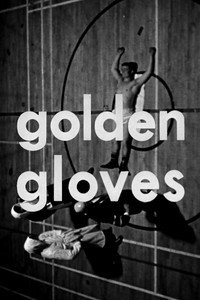
A classic NFB documentary about the Golden Gloves boxing tournament, the Canadian amateur's hope for success in the boxing world. This Gilles Groulx film shows three Montreal boxers in training. In behind-the-scenes interviews they talk about their ambitions and what prompted them to take up the sport. - NFB

View details
Poster for Seeing Miami... (1962) 4 31m

Seeing Miami...

1962

4

Seeing Miami...

1962 · 31m

A cinematic allegory of the modern U.S. at the time of the Cuban Missile Crisis, Gilles Groulx’s masterfully poetic montage essay evokes Quebecers’ simultaneous aversion and attraction to the El Dorado that is Florida—both a giant nursing home and an ideal of progress, American style.

View details
Poster for The Cat in the Bag (1964) 5 1h 15m

The Cat in the Bag

1964

5

The Cat in the Bag

1964 · 1h 15m

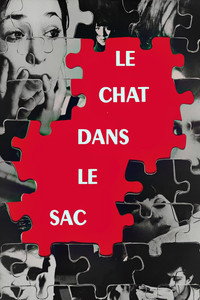
A young journalist is unhappy with society and contemplates what he can do about it. Symbolizes the political coming of age of the people of Québec.

View details
Poster for Between You and You All (1970) 6 1h 5m

Between You and You All

1970

6

Between You and You All

1970 · 1h 5m

A chronicle of the lives of a couple and the gradual dissolution of their relationship.

View details
Poster for Where Are You? (1970) 7 1h 36m

Where Are You?

1970

7

Where Are You?

1970 · 1h 36m

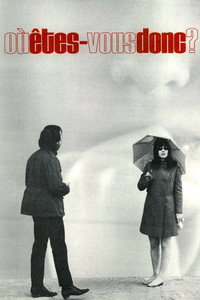
An experimental drama following three main characters who embody different attitudes about consumerism. A window onto Quebec in the late 1960s, this protest film explores these characters' daily lives, their trials and aspirations. Regarded as an innovative and militant work, buoyed by hard-hitting film language that includes subtitles and intertitles, quotations, offscreen voices and songs and references to advertising.

View details
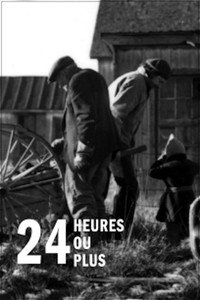
Poster for 24 Hours or More (1973) 8 1h 54m

24 Hours or More

1973

8

24 Hours or More

1973 · 1h 54m

This feature film made during an exceptionally feverish period of popular revolt that saw the coming together of Quebec’s 3 main unions (CSN, FTQ, CEQ) is a cinematic tract by socially engaged filmmaker Gilles Groulx. Propped against the backdrop of the 1970 October Crisis, the film is a frontal assault denouncing a “consumer society” viewed as the ultimate embodiment of evil.

View details
Poster for Santa Gertrudis, la première question sur le bonheur (1978) 9 1h 40m

Santa Gertrudis, la première question sur le bonheur

1978
9

Santa Gertrudis, la première question sur le bonheur

1978 · 1h 40m

View details
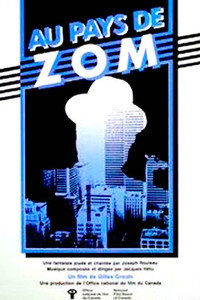
Poster for Au pays de Zom (1982) 10 1h 17m

Au pays de Zom

1982

10

Au pays de Zom

1982 · 1h 17m

A film-opera divided into nine segments, Au pays de Zom tells a day in the life of Mister Zom, a capitalist infatuated with his own person, whose conformism is only matched by his artistic velleity. A thematic sequel to his movie filmed with Mexican peasants, here Groulx asks, by making a business man sing, a second question on happiness: this time about the ones for whom happiness is linked with the possession of overabundance. He delivers, by developing the theatrical dimension with great emphasis, a social pamphlet with a strong satirical charge that he himself qualified as a "neo-surrealist fantasy".

View details