Skip to content

ReelRoute Auto-generated
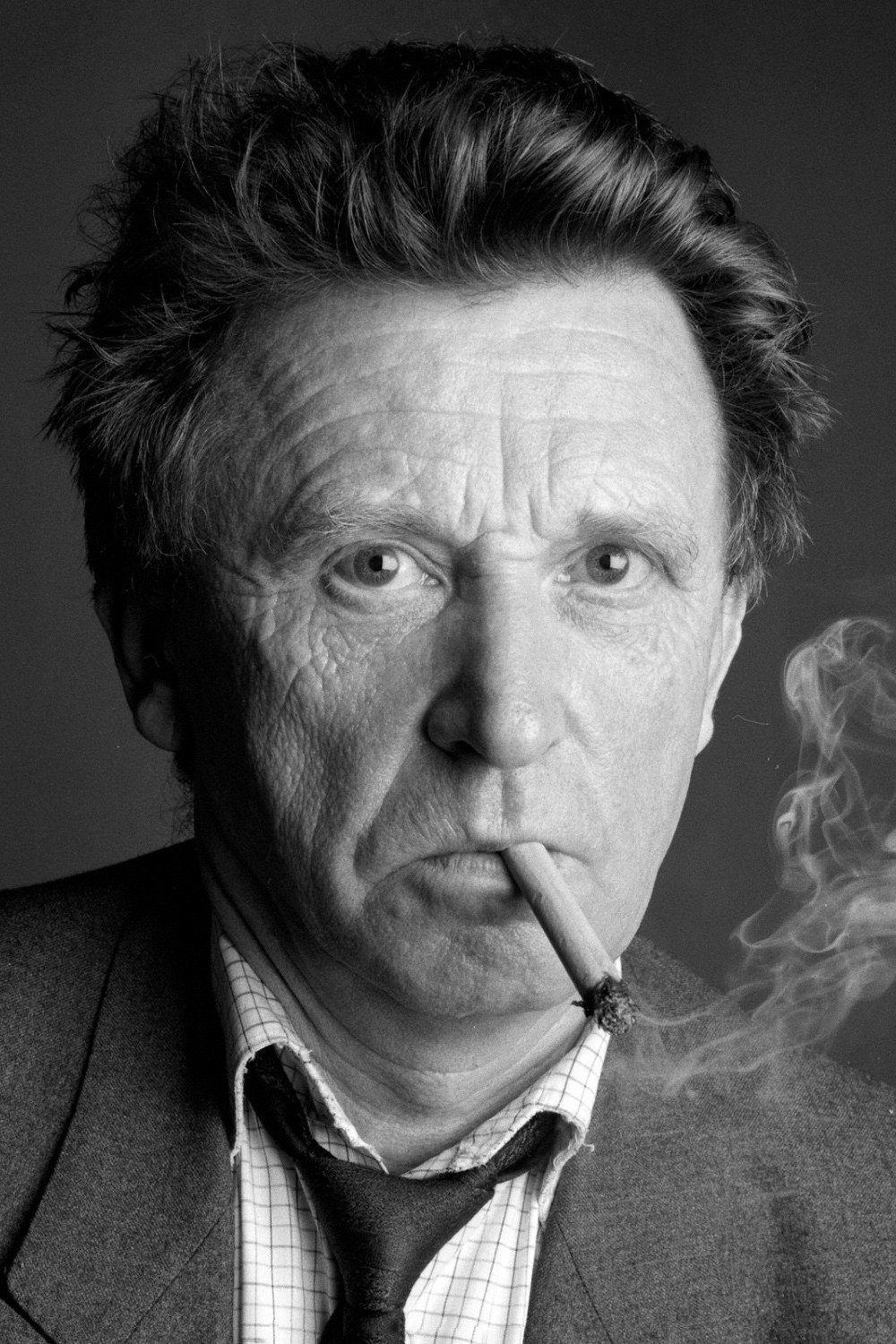
Jean-Marie Straub
Jean-Marie Straub
33 films in this ReelRoute

Filmography for Jean-Marie Straub, sourced from TMDB.

This automatically generated ReelRoute is a starting point, not a complete filmography.

Generated from TMDB director credits, not curated.
Poster for Machorka-Muff (1963) 1 18m

Machorka-Muff

1963

1

Machorka-Muff

1963 · 18m

A satirical attack on West Germany's re-armament and revival of militaristic tradition in the Adenauer era.

View details
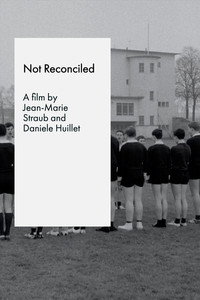
Poster for Not Reconciled (1965) 2 55m

Not Reconciled

1965

2

Not Reconciled

1965 · 55m

A story about the continuity and collapse of history, the power of suppression, and the terror of reconciliation; loyalty, treason and revenge. In a brave cinematic game, Heinrich Böll’s story Billiards at Half-Past Nine is split up into cracks, blocks, breaks and sudden turns, as the life story of a German family, covering numerous generations, is propelled forward.

View details
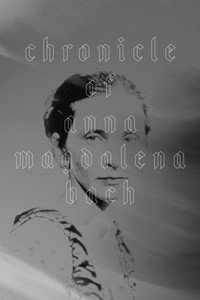
Poster for Chronicle of Anna Magdalena Bach (1968) 3 1h 34m

Chronicle of Anna Magdalena Bach

1968
3

Chronicle of Anna Magdalena Bach

1968 · 1h 34m

The life and music of Johann Sebastian Bach as presented by his wife, Anna.

View details
Poster for Othon (1971) 4 1h 28m

Othon

1971

4

Othon

1971 · 1h 28m

Straub-Huillet’s first color film, adapts a lesser-known Corneille tragedy from 1664, which in turn was based on an episode of imperial court intrigue chronicled in Tacitus’s Histories. The costuming is classical, and the toga-clad, nonprofessional cast performs the drama’s original French text amid the ruins of Rome’s Palatine Hill while the noise of contemporary urban life hums in the background. Their lines are executed with a terrific flatness and frequently through heavy accents; the language in Othon becomes not merely an expression but a thing itself, an element whose plainness here alerts us to qualities of the work that might otherwise be subordinated.

View details
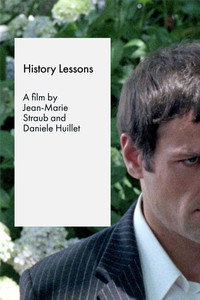
Poster for History Lessons (1972) 5 1h 28m

History Lessons

1972

5

History Lessons

1972 · 1h 28m

Set in contemporary Rome, the film shows through a series of encounters with “ancient” Romans, how the economic and political manipulation by ancient Roman society led to Caesar’s dictatorship. - British Film Institute

View details
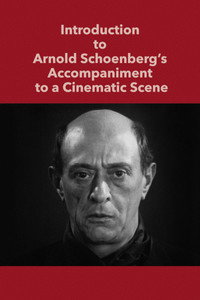
Poster for Introduction to Arnold Schoenberg’s Accompaniment to a Cinematic Scene (1973) 6 15m

Introduction to Arnold Schoenberg’s Accompaniment to a Cinematic Scene

1973
6

Introduction to Arnold Schoenberg’s Accompaniment to a Cinematic Scene

1973 · 15m

This is a small, intense film based on Schoenberg’s opus of the same name with the subtitle “danger, fear, catastrophe”. It deals with emerging fascism and the persecution of Jews, as well as with their historical continuities.

View details
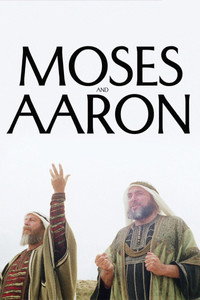
Poster for Moses and Aaron (1975) 7 1h 47m

Moses and Aaron

1975

7

Moses and Aaron

1975 · 1h 47m

A familiar Biblical tale transformed into a cinematic opera of seemingly endless possibility. In expressive, melodic tones, the fraternal pair debate God’s true message and intent for His creations, a conflict that leads their followers towards chaos and sin. Set almost entirely within a Roman amphitheater whose history lends every precise line-reading and gesture, every startling camera move and cut, a totalizing force.

View details
Poster for Every Revolution Is a Throw of the Dice (1977) 8 11m

Every Revolution Is a Throw of the Dice

1977
8

Every Revolution Is a Throw of the Dice

1977 · 11m

A tribute to Mallarmé that not only asserts the continuing relevance of his work but also confronts its literary ambiguities with political and cinematic ambiguities of its own. In outline, the film could not be more straightforward: it offers a recitation of one of Mallarmé’s most celebrated and complex poems (it was his last published work in his own lifetime, appearing in 1897, a year before his death) and proposes a cinematic equivalent for the author’s original experiment with typography and layout by assigning the words to nine different speakers, separating each speaker from the other as she or he speaks, and using slight pauses to correspond with white spaces on the original page.

View details
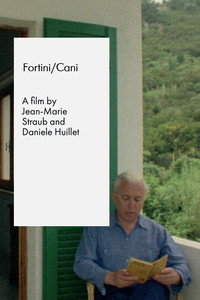
Poster for Fortini/Cani (1977) 9 1h 23m

Fortini/Cani

1977

9

Fortini/Cani

1977 · 1h 23m

The film is a sort of presentation of Franco Fortini's book 'I Cani del Sinai'. Fortini, an Italian Jew, reads excerpts from the book about his alienation from Judaism and from the social relations around him, the rise of Fascism in Italy, the anti-Arab attitude of European culture. The images, mostly a series of Italian landscape shots, provide a backdrop that highlights the meaning of the text. - Fabrizio Sabidussi

View details
Poster for From the Clouds to the Resistance (1979) 10 1h 44m

From the Clouds to the Resistance

1979
10

From the Clouds to the Resistance

1979 · 1h 44m

Two segments. The first one arranges six stories from Cesare Pavese’s «Dialoghi con Leucò», taken from classical mythology. The second segment is taken from Pavese’s novel «La luna e i falò»: after World War II the emigrant «The Bastard» comes back to his village in the Langhe (northern Italy) to find out that everyone he knew has died, and that the war has deeply changed relationships between people.

View details
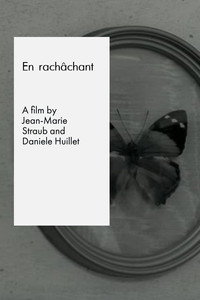
Poster for En rachâchant (1982) 11 7m

En rachâchant

1982

11

En rachâchant

1982 · 7m

The child Ernesto doesn't want to go to school any more because, as he says, all he is taught there is things he doesn't know.

View details
Poster for Too Early / Too Late (1982) 12 1h 44m

Too Early / Too Late

1982

12

Too Early / Too Late

1982 · 1h 44m

Inspired by a letter by Friedrich Engels and a 1974 account of two militant Marxist writers who had been imprisoned by the Nasser regime, Straub-Huillet filmed this film in France and Egypt during 1980. They reflect on Egypt’s history of peasant struggle and liberation from Western colonization, and link it to class tensions in France shortly before the Revolution of 1789, quoting texts by Engels as well as the pioneering nonfiction film Workers Leaving the Lumière Factory (1895).

View details
Poster for Class Relations (1984) 13 2h 7m

Class Relations

1984

13

Class Relations

1984 · 2h 7m

A young man, recently arrived in New York from Europe, becomes swept up in a series of events that are beyond his knowledge or control.

View details
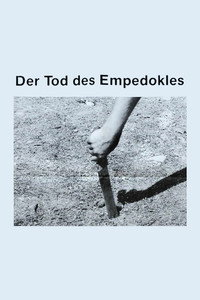
Poster for The Death of Empedocles (1987) 14 2h 12m

The Death of Empedocles

1987
14

The Death of Empedocles

1987 · 2h 12m

Film adaptation by Straub and Huillet of Hölderlin’s 1798 tragedy on the symbolic death of Empedocles, the legislator in Ancient Greece.

View details
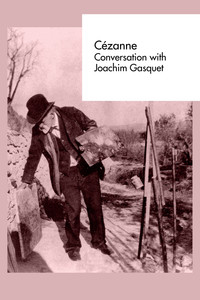
Poster for Cézanne: Conversation with Joachim Gasquet (1990) 15 52m

Cézanne: Conversation with Joachim Gasquet

1990
15

Cézanne: Conversation with Joachim Gasquet

1990 · 52m

A landmark work of symbolistic imagery. The words that the filmmakers speak offscreen are imaginary conversation with Cézanne quoted from a critique by Joachim Gasquet. An exchange of memories spanning over 250 years interweaves everything from the philosophy of Empedocles to excerpts from the film Madame Bovary, to extant paintings by Cézanne, to the buildings of the artists’ village at Mont Sainte-Victoire. —ntticc.or.jp

View details
Poster for Antigone (1992) 16 1h 40m

Antigone

1992

16

Antigone

1992 · 1h 40m

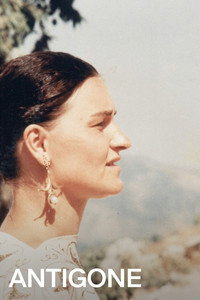
A fearless Antigone, refusing to allow the dishonored body of her murdered brother Polynices to be devoured by vultures and dogs, defies the Thebian tyrant Creon by burying him.

View details
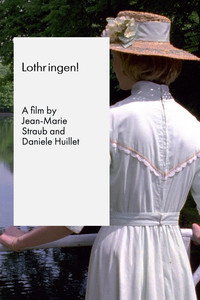
Poster for Lothringen! (1994) 17 20m

Lothringen!

1994

17

Lothringen!

1994 · 20m

About the history of the French region of Lorraine, called Lothringen in German.

View details
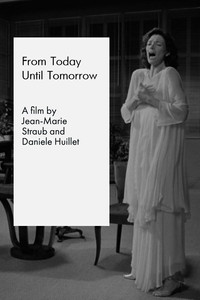
Poster for From Today Until Tomorrow (1997) 18 1h 2m

From Today Until Tomorrow

1997
18

From Today Until Tomorrow

1997 · 1h 2m

Based on a rarely performed Schoenberg opera from 1929, From Today Until Tomorrow explores one night in a marriage. A husband and wife return from a party where she has flirted with another man while he has cast an appraising eye toward one of her acquaintances. Each dreams, briefly, of leaving the marriage for the excitement and mystery of a new lover.

View details
Poster for Sicily! (1999) 19 1h 6m

Sicily!

1999

19

Sicily!

1999 · 1h 6m

A man returns to visit his native Sicily after living in New York for a long time. He learns about the Sicilian way of life from stylized conversations with an orange picker, his fellow train passengers, his mother, and a knife-sharpener.

View details
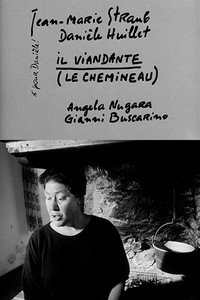
Poster for Il viandante (2001) 20 5m

Il viandante

2001

20

Il viandante

2001 · 5m

An alternate look at a part of Sicilia, perhaps left out for its more straightforward didactic quality. Interesting to again see the long gaps. Also note the extra use of close-up (for them) on the old woman.

View details
Poster for The Return of the Prodigal Son (2003) 21 29m

The Return of the Prodigal Son

2003
21

The Return of the Prodigal Son

2003 · 29m

In Italy, immediately subsequent to the war, a group of people who lost all they possessed during the conflict, settle in a village in ruins. They intend to restore the city from the rubble and re-start life, in imitation of the women of Messina who rebuilt their city, destroyed as it was by an earthquake. Oscillating between respect and suspicion, co-existence between group members is tense. Things become complicated when an envoy from the government arrives to say that nothing there belongs to them. The film is a free adaptation of fragments of the novella ‘The Women of Messina’, by Sicilian writer Elio Vittorini.

View details
Poster for A Visit to the Louvre (2004) 22 49m

A Visit to the Louvre

2004

22

A Visit to the Louvre

2004 · 49m

A visit to the Louvre in Paris commentated by an actor reading Cézanne.

View details
Poster for These Encounters of Theirs (2006) 23 1h 8m

These Encounters of Theirs

2006
23

These Encounters of Theirs

2006 · 1h 8m

These Encounters Of Theirs divides 10 non-professional actors into couples, then has them take turns in declaiming the Dialogues With Leuco, Cesare Pavese's abstract, philosophical work.

View details
Poster for Artemide’s Knee (2008) 24 26m

Artemide’s Knee

2008

24

Artemide’s Knee

2008 · 26m

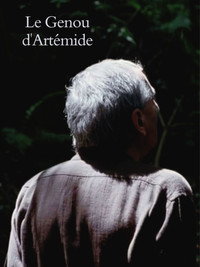
Mourning the death of his partner and collaborator Danièle Huillet, Straub finds tender mercy in music and nature. Out of the abyss, Kathleen Ferrier sings “The Farewell” from Gustav Mahler’s “The Song of the Earth”, (which the composer wrote in 1909 after the death of his daughter) and Heinrich Schütz’s Lament on the Death of His Wife. The landscape also provides solace: the mountain grove where Endymion pines for his beloved Artemis, “a wild thing, untouchable, mortal,” appears to embody the Japanese concept of ‘mono no aware’ — a wistful acceptance of the fleeting beauty of things.

View details
Poster for Itinerary of Jean Bricard (2008) 25 34m

Itinerary of Jean Bricard

2008
25

Itinerary of Jean Bricard

2008 · 34m

The film is a commemoration of the lost livelihood of the earth, the lost lives of the War and to the work of two of the cinema’s greatest artists.

View details
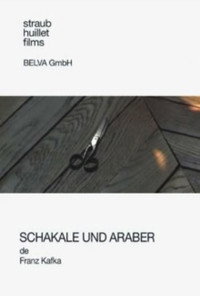
Poster for Jackals and Arabs (2011) 26 11m

Jackals and Arabs

2011

26

Jackals and Arabs

2011 · 11m

A Kafka dialogue is read by actors in Straub's own apartment in Paris.

View details
Poster for L’Inconsolable (2011) 27 15m

L’Inconsolable

2011

27

L’Inconsolable

2011 · 15m

With L’inconsolable, Jean-Marie Straub continues the mise en scène of Cesare Pavese’s Dialogues with Leucò, initiated in 1978 with Dalla nube alla resistenza and followed up in 2006, 2007 and 2008 with Quei loro incontri, Artemis’s Knee and Le streghe – femmes entre elles. L’inconsolable is a reflection on the myth of Orpheus.

View details
Poster for Venice 70: Future Reloaded (2013) 28 2h

Venice 70: Future Reloaded

2013
28

Venice 70: Future Reloaded

2013 · 2h

Made for the Venice Film Festival's 70th anniversary, seventy filmmakers made a short film between 60 and 90 seconds long on their interpretation of the future of cinema.

View details
Poster for Concerning Venice (2014) 29 24m

Concerning Venice

2014

29

Concerning Venice

2014 · 24m

The glory and collapse of the grand Republic of Venice: the reasons are numerous, complex, human and all too human. Are these the same ingredients, the mélange that might determine whether the current Europe will survive? And if so, under what conditions? Jean-Marie Straub poses the question in this film, more austere and concentrated than ever.

View details
Poster for The Algerian War! (2014) 30 2m

The Algerian War!

2014

30

The Algerian War!

2014 · 2m

In a single static shot a man is threatened with death at another's gunpoint.

View details
Poster for L’Aquarium et la Nation (2015) 31 32m

L’Aquarium et la Nation

2015

31

L’Aquarium et la Nation

2015 · 32m

A film in three parts: An aquarium, a man sitting at a table reading various text passages, and a sequence from Jean Renoir’s film LA MARSEILLAISE. This is all from a film by Jean-Marie Straub – about fate, the soul and the cosmos, about the evident nature in which man lives, just like in the aquarium surrounding him. And finally, there’s the nation as a symbol for the community of free people. A Straub film represents a gift that isn’t based on exchange, but rather the opposite of communication. And what could be more beautiful and liberating in life?

View details
Poster for People of the Lake (2018) 32 17m

People of the Lake

2018

32

People of the Lake

2018 · 17m

More than a land, it is from the lake that this son comes. Raised by a father fisherman, he learned his noises and currents, maybe also its hardness at the same time as that of adults. Lake is also a border, but in the water his drawing is lost: in the fishery, "profession of free men", Savoyards and Vaudois find themselves in confreres, and if out loud we only talk about nets and fish, in silence we sometimes enter the Resistance. During the war, Switzerland was sent to refugees, without always understanding what is happening, or why they have this look. After the war, the son will contribute to another history: elected municipal, he participates in the emergence, in Lausanne or to Thonon, of a new left. According to the novel Gens du Lac de Janine Massard, published by Bernard Campiche

View details
Poster for France Against the Robots (2020) 33 10m

France Against the Robots

2020

33

France Against the Robots

2020 · 10m

"The word 'revolution' to us Frenchmen is not a vague term. We know that Revolution is a rupture, that Revolution is an Absolute. There is no such thing as a moderate revolution, there is no such thing as a planned revolution—as one speaks of a planned economy. The revolution we are announcing will overturn the entire existing order or it will not take place at all..."

View details