Skip to content

ReelRoute Auto-generated
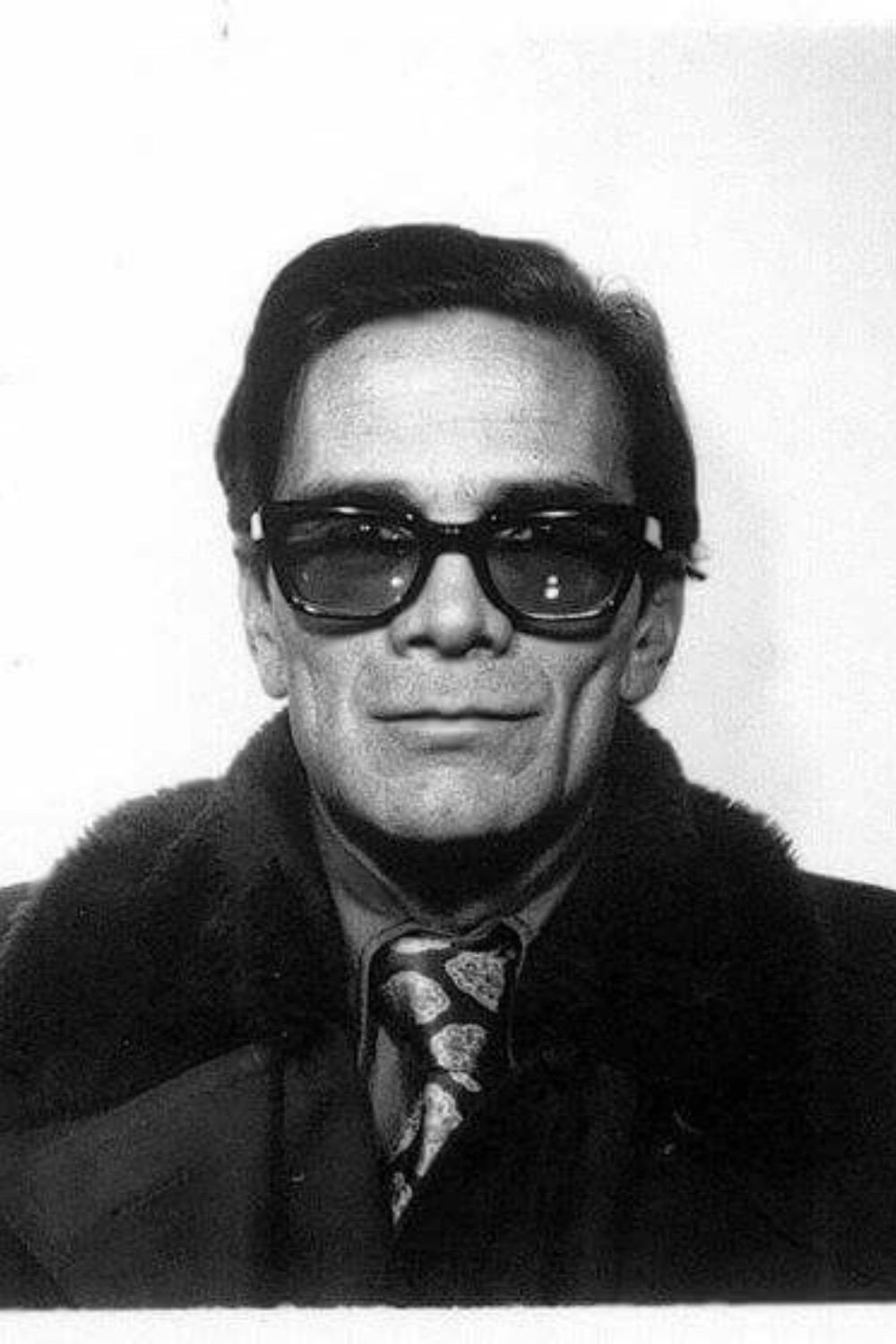
Pier Paolo Pasolini
Pier Paolo Pasolini
26 films in this ReelRoute

Filmography for Pier Paolo Pasolini, sourced from TMDB.

This automatically generated ReelRoute is a starting point, not a complete filmography.

Generated from TMDB director credits, not curated.
Poster for Accattone (1961) 1 1h 57m

Accattone

1961

1

Accattone

1961 · 1h 57m

A pimp with no other means to provide for himself finds his life spiralling out of control when his prostitute is sent to prison.

View details
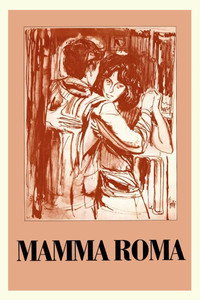
Poster for Mamma Roma (1962) 2 1h 50m

Mamma Roma

1962

2

Mamma Roma

1962 · 1h 50m

After years spent working as a prostitute in her Italian village, middle-aged Mamma Roma has saved enough money to buy herself a fruit stand so that she can have a respectable middle-class life and reestablish contact with the 16-year-old son she abandoned when he was an infant. But her former pimp threatens to expose her sordid past, and her troubled son seems destined to fall into a life of crime and violence.

View details
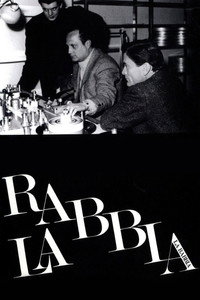
Poster for La Rabbia (1963) 3 1h 44m

La Rabbia

1963

3

La Rabbia

1963 · 1h 44m

Documentary footage (from the 1950s) and accompanying commentary to attempt to answer the existential question, Why are our lives characterized by discontent, anguish, and fear? The film is in two completely separate parts, and the directors of these respective sections, left-wing Pier Paolo Pasolini and conservative Giovanni Guareschi, offer the viewer contrasting analyses of and prescriptions for modern society. Part I, by Pasolini, is a denunciation of the offenses of Western culture, particularly those against colonized Africa. It is at the same time a chronicle of the liberation and independence of the former African colonies, portraying these peoples as the new protagonists of the world stage, holding up Marxism as their "salvation", and suggesting that their "innocent ferocity" will be the new religion of the era. Guareschi's part, by contrast, constitutes a defense of Western civilization and a word of hope, couched in traditional Christian terms, for man's future.

View details
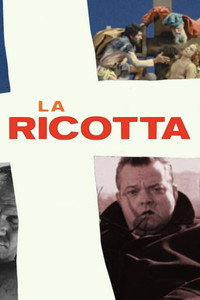
Poster for La ricotta (1963) 4 35m

La ricotta

1963

4

La ricotta

1963 · 35m

Pier Paolo Pasolini's contribution to the omnibus film "RO.GO.PA.G" casts Orson Welles as a director attempting to make a film of the crucifixion of Jesus-all while he, the cast, and crew behave in the most un-Christlike ways imaginable.

View details
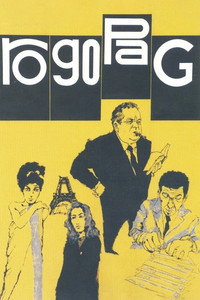
Poster for Ro.Go.Pa.G. (1963) 5 2h 2m

Ro.Go.Pa.G.

1963

5

Ro.Go.Pa.G.

1963 · 2h 2m

Four short films by four different directors dealing with the principles of modern life. "Illibatezza" (Rossellini): The hostess Anna Maria, to dissuade an aggressive suitor who prefers maternal tendencies, assumes an unscrupulous attitude, obeying the suggestions of her distant boyfriend. "The New World" (Godard): The deflagration of an atomic bomb causes strange effects on the inhabitants of a city. "La ricotta" (Pasolini): During the filming of a film about a religious subject, the extra Stracci dies hanging on the cross due to an indigestion of ricotta. "Il pollo spante" (Gregoretti): While an expert illustrates to a board of merchants the most modern techniques to increase sales through the discovery of the secret self of the average consumer, the human story of a bourgeois who, following these suggestions, focuses on the purchase of a plot of land in the countryside.

View details
Poster for Love Meetings (1965) 6 1h 28m

Love Meetings

1965

6

Love Meetings

1965 · 1h 28m

Pier Paolo Pasolini sets out to interview Italians about sex, apparently their least favorite thing to talk about in public: he asks children if they know where babies come from; asks old and young women if they support gender equality; asks both sexes if a woman's virginity still matters, what do they think of homosexuality, if divorce should be legal, or if they support the recent abolition of brothels. He interviews blue-collar workers, intellectuals, college students, rural farmers, the bourgeoisie, and every other kind of people, painting a vivid portrait of a rapidly-industrializing Italy, hanging between modernity and tradition — toward both of which Pasolini shows equal distrust.

View details
Poster for Scouting in Palestine (1965) 7 55m

Scouting in Palestine

1965

7

Scouting in Palestine

1965 · 55m

In 1963, accompanied by a newsreel photographer and a Catholic priest, Piero Paolo Pasolini traveled to Palestine to investigate the possibility of filming his biblical epic The Gospel According to Matthew in its approximate historical locations. Edited by The Gospel‘s producer for potential funders and distributors, Seeking Locations in Palestine features semi-improvised commentary from Pasolini as its only soundtrack. As we travel from village to village, we listen to Pasolini’s idiosyncratic musings on the teachings of Christ and witness his increasing disappointment with the people and landscapes he sees before him. Israel, he laments, is much too modern. The Palestinians, much too wretched; it would be impossible to believe the teachings of Jesus had reached these faces. The Gospel According to Matthew was ultimately filmed in Southern Italy. Mel Gibson would use some of the same locations forty years later for The Passion of the Christ.

View details
Poster for The Gospel According to St. Matthew (1965) 8 2h 17m

The Gospel According to St. Matthew

1965
8

The Gospel According to St. Matthew

1965 · 2h 17m

Along a rocky, barren coastline, Jesus begins teaching, primarily using parables. He attracts disciples; he's stern, brusque, and demanding. His parables often take on the powers that be, so he and his teachings come to the attention of the Pharisees, the chief priests, and elders. They conspire to have him arrested, beaten, tried, and crucified, just as he prophesied to his followers.

View details
Poster for The Hawks and the Sparrows (1966) 9 1h 30m

The Hawks and the Sparrows

1966
9

The Hawks and the Sparrows

1966 · 1h 30m

A man and his son take an allegorical stroll through life with a talking bird that spouts social and political philosophy.

View details
Poster for Oedipus Rex (1967) 10 1h 45m

Oedipus Rex

1967

10

Oedipus Rex

1967 · 1h 45m

In pre-war Italy, a young couple have a baby boy. The father, however, is jealous of his son - and the scene moves to antiquity, where the baby is taken into the desert to be killed. He is rescued, given the name Oedipus, and brought up by the King and Queen of Corinth as their son. One day an oracle informs Oedipus that he is destined to kill his father and marry his mother. Horrified, he flees Corinth and his supposed parents - only to get into a fight and kill an older man on the road…

View details
Poster for The Witches (1967) 11 1h 51m

The Witches

1967

11

The Witches

1967 · 1h 51m

Five short stories loosely dealing with the roles of women in society. A superstar actress travels to a mountain resort, only to evoke jealousy from women and lust from men. A woman offers to take an injured man to the hospital. A widowed father and his son seek for a new wife/mother. A man seeks revenge for a woman's honor. A bored housewife tries to explain to her husband that he's not as romantic as he used to be.

View details
Poster for Caprice Italian Style (1968) 12 1h 19m

Caprice Italian Style

1968

12

Caprice Italian Style

1968 · 1h 19m

The film consists of six short stories created by different directors, but all the stories share one thing: a warm irony to current events.

View details
Poster for Notes for a Film in India (1968) 13 33m

Notes for a Film in India

1968
13

Notes for a Film in India

1968 · 33m

A 1968 short documentary film by Pier Paolo Pasolini where he visits India in the search of a king who could give up his body to feed a starving tiger.

View details
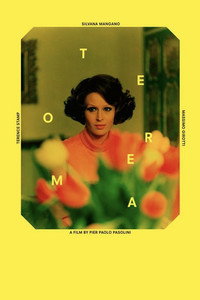
Poster for Theorem (1968) 14 1h 35m

Theorem

1968

14

Theorem

1968 · 1h 35m

A wealthy Italian household is turned upside down when a handsome stranger arrives, seduces every family member and then disappears. Each has an epiphany of sorts, but none can figure out who the seductive visitor was or why he came.

View details
Poster for What Are the Clouds? (1968) 15 20m

What Are the Clouds?

1968

15

What Are the Clouds?

1968 · 20m

Some puppets come to life in a theater with no windows. This time the puppets interpret William Shakespeare's Othello.

View details
Poster for Love and Anger (1969) 16 1h 42m

Love and Anger

1969

16

Love and Anger

1969 · 1h 42m

Five short stories with contemporary settings. In New York, people are indifferent to derelicts sleeping on sidewalks, to a woman's assault in front of an apartment building, and to a couple injured in a car crash. A man, stripped of his identity, dies in bed with actors expressing his agony. A cheerful, innocent young man walking a city street in a time of war pays a price for this innocence. A couple talks about cinema while it watches another couple talk of love and truth on the eve of one character's return to Cuba. Striking students take over a university classroom; an argument follows about revolution or incremental change.

View details
Poster for Medea (1969) 17 1h 58m

Medea

1969

17

Medea

1969 · 1h 58m

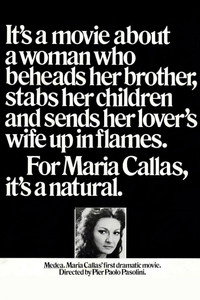
Based on the plot of Euripides' Medea. Medea centers on the barbarian protagonist as she finds her position in the Greek world threatened, and the revenge she takes against her husband Jason who has betrayed her for another woman.

View details
Poster for Pigsty (1969) 18 1h 39m

Pigsty

1969

18

Pigsty

1969 · 1h 39m

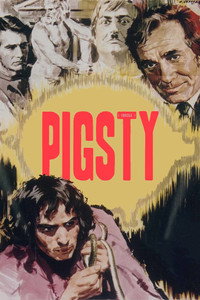
Two dramatic stories. In an undetermined past, a young cannibal (who killed his own father) is condemned to be torn to pieces by some wild beasts. In the second story, Julian, the young son of a post-war German industrialist, is on the way to lie down with his farm's pigs, because he doesn't like human relationships.

View details
Poster for Notes for a Novel About Garbage (1970) 19 1h 25m

Notes for a Novel About Garbage

1970
19

Notes for a Novel About Garbage

1970 · 1h 25m

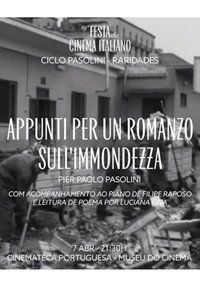
In the spring of 1970, between the African Orestiade and The Decameron, Pasolini shot a film for which he wrote a commentary in verses but never finished editing. The film was born as a typical Pasolini intervention: filming the strike of the garbage collectors in Rome, who at the time worked in dramatic health conditions, and filming the humility of their daily work, amidst the waste and scraps of society, in the squares and in the streets. Pasolini also filmed the faces of garbage collectors engaged in claims discussions and the result was an extraordinary anthropological picture of an unknown humanity.

View details
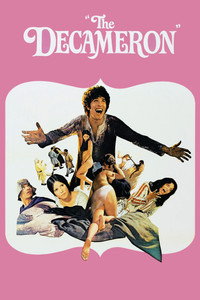
Poster for The Decameron (1971) 20 1h 51m

The Decameron

1971

20

The Decameron

1971 · 1h 51m

A young Sicilian is swindled twice, but ends up rich; a man poses as a deaf-mute in a convent of curious nuns; a woman must hide her lover when her husband comes home early; a scoundrel fools a priest on his deathbed; three brothers take revenge on their sister's lover; a young girl sleeps on the roof to meet her boyfriend at night; a group of painters wait for inspiration; a crafty priest attempts to seduce his friend's wife; and two friends make a pact to find out what happens after death.

View details
Poster for December 12th (1972) 21 42m

December 12th

1972

21

December 12th

1972 · 42m

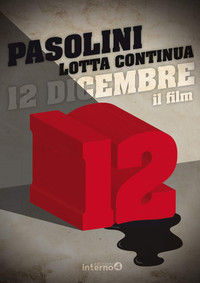
On December 12th, 1969 a bomb went off at the Piazza Fontana in Milan that killed 16 people and injured 84. Railway worker and anarchist activist Giuseppe Pinelli was picked up, along with other anarchists, for questioning regarding the attack. He was held and interrogated for three days, longer than Italian law specified that people could be held without seeing a judge. Just before midnight on December 15, 1969 Pinelli was seen to fall to his death from a fourth floor window of the Milan police station. Although officially deemed a suicide, the reporter who watched the fall from the street maintained that he was pushed. Three police officers interrogating Pinelli were put under investigation in 1971 for murder but charges were dropped because of lack of evidence.

View details
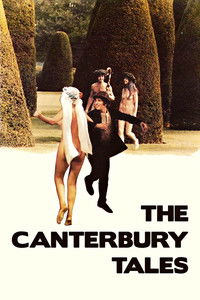
Poster for The Canterbury Tales (1972) 22 1h 51m

The Canterbury Tales

1972

22

The Canterbury Tales

1972 · 1h 51m

Glimpses of Chaucer penning his famous work are sprinkled through this re-enactment of several of his stories.

View details
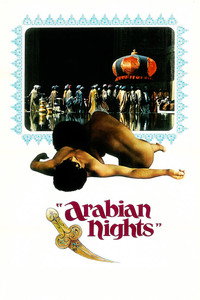
Poster for Arabian Nights (1974) 23 2h 11m

Arabian Nights

1974

23

Arabian Nights

1974 · 2h 11m

The final part of Pasolini's Trilogy of Life series is rich with exotic tales of slaves and kings, potions, betrayals, demons and, most of all, love and lovemaking in all its myriad forms. Mysterious and liberating, this is an exquisitely dreamlike and adult interpretation of the original folk tales.

View details
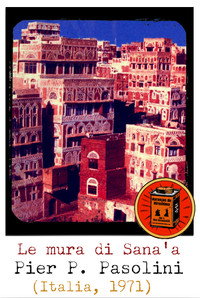
Poster for The Walls of Sana'a (1974) 24 16m

The Walls of Sana'a

1974

24

The Walls of Sana'a

1974 · 16m

The capital of Yemen, the city of Sana'a, holds an important part of history within its walls filled with medieval architecture and culture. But that same culture was about to disappear with the country's modernization which came after the civil war in the 1960's. To impeach such modern invasion, director Pasolini pledges to UNESCO for the recognition of Sana'a as a World Heritage Site.

View details
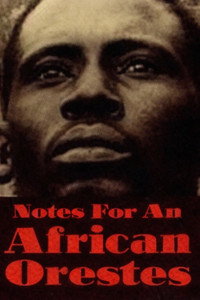
Poster for Notes Towards an African Orestes (1975) 25 1h 5m

Notes Towards an African Orestes

1975
25

Notes Towards an African Orestes

1975 · 1h 5m

The director presents takes and scenes filmed on location in Africa for a film-that-never-was, a black Oresteia.

View details
Poster for Salò, or the 120 Days of Sodom (1976) 26 1h 57m

Salò, or the 120 Days of Sodom

1976

26

Salò, or the 120 Days of Sodom

1976 · 1h 57m

Four corrupted fascist libertines round up 9 teenage boys and girls and subject them to 120 days of sadistic physical, mental and sexual torture.

View details