Skip to content

ReelRoute Auto-generated
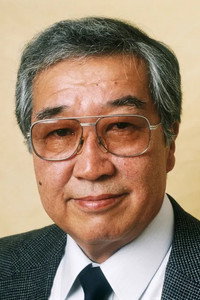
Shôhei Imamura
Shôhei Imamura
15 September 1926 – 30 May 2006 | Tokyo, Japan
25 films in this ReelRoute

Shōhei Imamura (15 September 1926 – 30 May 2006) was a Japanese film director. He was the first Japanese director to win two Palme d'Or awards, but was never Oscar-nominated in any category.

Filmography for Shôhei Imamura, sourced from TMDB.

This automatically generated ReelRoute is a starting point, not a complete filmography.

Generated from TMDB director credits, not curated.
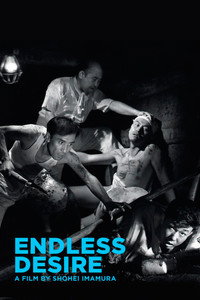
Poster for Endless Desire (1958) 1 1h 41m

Endless Desire

1958

1

Endless Desire

1958 · 1h 41m

Set in post-war Japan, a group of five, four men and one woman, gathers in the basement of a butcher shop to dig up a cache of morphine buried during the war. A grimly humorous tale of twisted relationships as one by one each of the group is eliminated.

View details
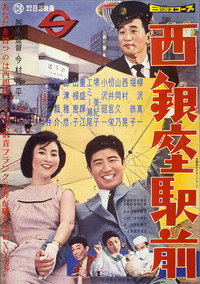
Poster for Nishi Ginza Station (1958) 2 52m

Nishi Ginza Station

1958

2

Nishi Ginza Station

1958 · 52m

This short comedy concerns the extramarital affair of a drugstore owner. It is based on a popular song by the star of the film, Frank Nagai.

View details
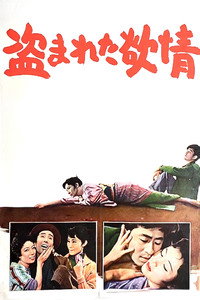
Poster for Stolen Desire (1958) 3 1h 32m

Stolen Desire

1958

3

Stolen Desire

1958 · 1h 32m

A rambunctious and ribald tale of a troupe of travelling actors who alternate highlights of kabuki theatre with strip shows.

View details
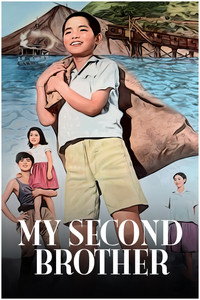
Poster for My Second Brother (1959) 4 1h 41m

My Second Brother

1959

4

My Second Brother

1959 · 1h 41m

The film tells the story of four orphans living in an impoverished mining town. An adaptation of a best-selling book based on the diary of a ten-year-old zainichi (ethnic Korean Japanese) girl, it was one of the first films to deal with the subject of zainichi identity and struggles in Japan.

View details
Poster for Pigs and Battleships (1961) 5 1h 48m

Pigs and Battleships

1961

5

Pigs and Battleships

1961 · 1h 48m

In the city of Yokosuka, Kinta and his lover Haruko, both involved with yakuza, brave the post-occupation period with a goal to be together.

View details
Poster for The Insect Woman (1963) 6 2h 3m

The Insect Woman

1963

6

The Insect Woman

1963 · 2h 3m

A woman, Tome, is born to a lower class family in Japan in 1918. The title refers to an insect, repeating its mistakes, as in an infinite circle. Imamura, with this metaphor, introduces the life of Tome, who keeps trying to change her poor life.

View details
Poster for Intentions of Murder (1964) 7 2h 30m

Intentions of Murder

1964

7

Intentions of Murder

1964 · 2h 30m

The neglected common-law wife of a Japanese librarian is repeatedly harassed by a young man with a heart condition who seduces her with the prospect of a better life.

View details
Poster for The Pornographers (1966) 8 2h 8m

The Pornographers

1966

8

The Pornographers

1966 · 2h 8m

A former Buddhist monk turned erotic filmmaker, Subuyan lives with hairdresser Haru and her two teenage children. Shooting two skin flicks per day, he somehow manages to stay out of the clutches of the yakuza, but real trouble starts when Haru discovers him lusting after her daughter.

View details
Poster for A Man Vanishes (1967) 9 2h 10m

A Man Vanishes

1967

9

A Man Vanishes

1967 · 2h 10m

A Man Vanishes examines the concept of Johatsu, tackling the phenomenon of people missing in Japan over the years. It picks one such person from the list, someone who had seemed to disappear from the face of the earth due to embezzlement from his company, and the filmmakers begin an investigative documentary into the reasons behind and attempt at tracking him down.

View details
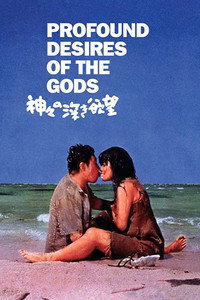
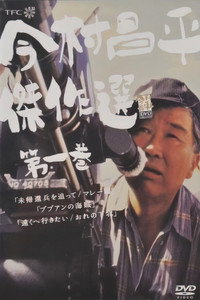
Poster for Profound Desires of the Gods (1968) 10 2h 53m

Profound Desires of the Gods

1968
10

Profound Desires of the Gods

1968 · 2h 53m

Tokyo engineer Kariya arrives on a primitive tropical island, where he interacts with the Futori clan, to drill a well to power a sugar mill.

View details
Poster for Following the Unreturned Soldiers: Malaysia (1970) 11 47m

Following the Unreturned Soldiers: Malaysia

1970

11

Following the Unreturned Soldiers: Malaysia

1970 · 47m

Famed filmmaker tracks down former Japanese soldiers in Malaysia.

View details
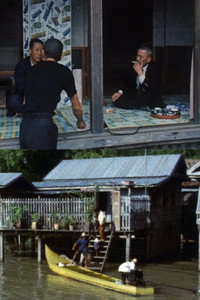
Poster for History of Postwar Japan as Told by a Bar Hostess (1970) 12 1h 45m

History of Postwar Japan as Told by a Bar Hostess

1970
12

History of Postwar Japan as Told by a Bar Hostess

1970 · 1h 45m

Postwar Japan as it is described by Etsuko, the manager of a bar catering to foreigners in Yokosuka. The way of life of a woman brimming with vitality, who skipped the countryside right after the war and, with her womanhood as a weapon, lived through atomic bombings, black markets, prostitution aimed at American soldiers and the Korean War. Inserting newsreels, Shohei Imamura depicts the history of twenty-five years in the Japanese postwar by way of the female body. (doclisboa)

View details
Poster for Following the Unreturned Soldier: Thailand (1971) 13 45m

Following the Unreturned Soldier: Thailand

1971
13

Following the Unreturned Soldier: Thailand

1971 · 45m

In Thailand, three Japanese soldiers, left in the jungle more than a quarter of a century after their country's defeat, come together to discuss what their life was like during and after the war. Part two of Imamura's quest for Japanese soldiers who stayed behind after the war.

View details
Poster for The Pirates of Buban (1972) 14 46m

The Pirates of Buban

1972

14

The Pirates of Buban

1972 · 46m

By going to the Philippines, Imamura comes to meet people living in an extreme poverty. He discovers very quickly that some communities are under the control of cruel & armed pirates. Imamura will come to meet those men in order to understand their position.

View details
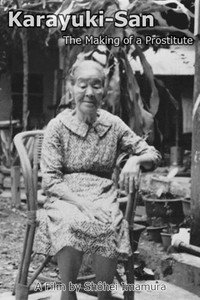
Poster for Karayuki-San, the Making of a Prostitute (1973) 15 1h 15m

Karayuki-San, the Making of a Prostitute

1973
15

Karayuki-San, the Making of a Prostitute

1973 · 1h 15m

Karayuki-san, the Making of a Prostitute is a 1975 Japanese film by director Shohei Imamura. It is a documentary on one of the Japanese "karayuki-san," who were women that were taken from their homes in Japan and used as prostitutes in the post-war period. Many of these women were told that they were doing this to support their families because of the extreme poverty that the war left much of Japan to live in. Imamura focuses on a particular such woman who was sent to Malaysia and never returned to Japan. Joan Mellen, in The Waves at Genji's Door, called this film, "Perhaps the most brilliant and feeling of Imamura's fine documentaries."

View details
Poster for Outlaw-Matsu Comes Home (1973) 16 52m

Outlaw-Matsu Comes Home

1973

16

Outlaw-Matsu Comes Home

1973 · 52m

“In Search of Unreturned Soldiers was about former soldiers of the Japanese army who chose not to return to Japan after the war. I found several of them who had remained in Thailand. Two years later, I invited one of them to make his first return visit to Japan and documented it in Outlaw-Matsu Returns Home. During the filming, my subject Fujita asked me to buy him a cleaver so that he could kill his ‘vicious brother.’ I was shocked, and asked him to wait a day so that I could plan how to film the scene. By the next morning, to my relief, Fujita had calmed down and changed his mind about killing his brother. But I couldn’t have had a sharper insight into the ethical questions provoked by this kind of documentary filmmaking.” —Shôhei Imamura

View details
Poster for Vengeance Is Mine (1979) 17 2h 20m

Vengeance Is Mine

1979

17

Vengeance Is Mine

1979 · 2h 20m

A thief, a murderer, and a charming lady-killer, Iwao Enokizu is on the run from the police.

View details
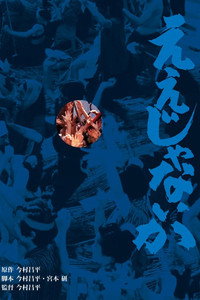
Poster for Eijanaika (1981) 18 2h 31m

Eijanaika

1981

18

Eijanaika

1981 · 2h 31m

The film depicts carnivalesque atmosphere summed up by the cry "Ei ja nai ka" ("Why not?") in Japan in 1867 and 1868 in the days leading to the Meiji Restoration. It examines the effects of the political and social upheaval of the time, and culminates in a revelrous march on the Tokyo Imperial Palace, which turns into a massacre. Characteristically, Imamura focuses not on the leaders of the country, but on characters in the lower classes and on the fringes of society.

View details
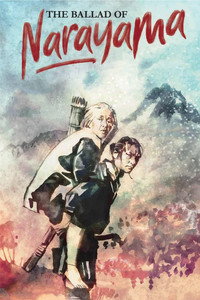
Poster for The Ballad of Narayama (1983) 19 2h 10m

The Ballad of Narayama

1983
19

The Ballad of Narayama

1983 · 2h 10m

In a small village in a valley everyone who reaches the age of 70 must leave the village and go to a certain mountain top to die. If anyone should refuse they would disgrace their family. Old Orin is 69. This winter it is her turn to go to the mountain. But first she must make sure that her eldest son Tatsuhei finds a wife.

View details
Poster for Zegen (1987) 20 2h 4m

Zegen

1987

20

Zegen

1987 · 2h 4m

At the time between the World Wars, Japan is involved in empire-building throughout East and Southeast Asia. After a brief career as a low-level military adventurer, Iheiji sets up chains of brothels throughout Asia. As Japan's power in the region grows, so does Iheiji's prosperity and patriotism.

View details
Poster for Black Rain (1989) 21 2h 3m

Black Rain

1989

21

Black Rain

1989 · 2h 3m

Shigematsu Shizuma, who lives with his family in a village near Fukuyama, was in Hiroshima with his wife and niece just after the devastating atomic bombing, a tragedy that cruelly took the lives of thousands of people and forever marked the harsh existence of the survivors.

View details
Poster for The Eel (1997) 22 1h 57m

The Eel

1997

22

The Eel

1997 · 1h 57m

A businessman kills his adulterous wife and is sent to prison. After his release, he opens a barbershop and meets new people, talking to almost no one except for an eel he befriended while in prison.

View details
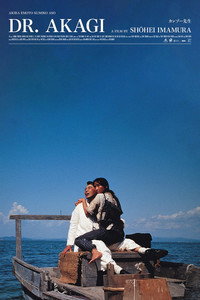
Poster for Dr. Akagi (1998) 23 2h 8m

Dr. Akagi

1998

23

Dr. Akagi

1998 · 2h 8m

At the end of WWII, Japanese doctor Akagi searches for the cure for hepatitis in the prisoner-of-war camp.

View details
Poster for Warm Water Under a Red Bridge (2001) 24 1h 59m

Warm Water Under a Red Bridge

2001

24

Warm Water Under a Red Bridge

2001 · 1h 59m

When a dying friend tells out-of-work salaryman Yosuke about a hidden treasure, he sets off in search of the only clue about its location: a house by a red bridge. What he finds instead is a woman who transcends all his fantasies.

View details
Poster for September 11 (2002) 25 2h 14m

September 11

2002

25

September 11

2002 · 2h 14m

Eleven directors from eleven countries each contribute an eleven-minute short reflecting on the events of 11 September 2001: A village teacher in Iran tries to explain to her young students what's happened; city kids in Burkina Faso think they've spotted Osama bin Laden; a deaf Frenchwoman in Manhattan writes a Dear John letter to a man who left that morning for work at the World Trade Center; a Chilean remembers Allende; events recall other deaths; a mother endures more than her son's death. Tones vary, as do the locales. Most concern coming to terms with the events of the day, but at least one confronts the viewer with tragedy and death.

View details