Skip to content

ReelRoute Auto-generated
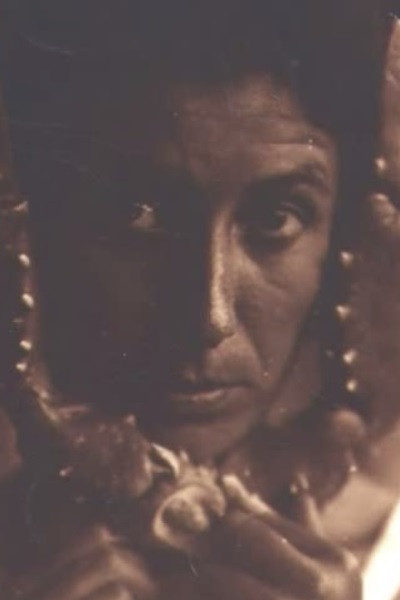
Geneviève Hamon
Geneviève Hamon
7 films in this ReelRoute

Filmography for Geneviève Hamon, sourced from TMDB.

This automatically generated ReelRoute is a starting point, not a complete filmography.

Generated from TMDB director credits, not curated.
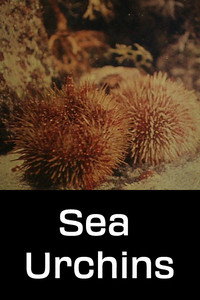
Poster for Sea Urchins (1954) 1 11m

Sea Urchins

1954

1

Sea Urchins

1954 · 11m

Underwater photography, magnified close-ups, and film through microscope present the sea urchin, a complex creature. We see their mouth and five teeth close and open. After injecting one with gelatin, the shell is removed and we see the muscle structure, digestive tube, and reproductive organs. Magnified stems reveal suction cups; stems lengthen and contract allowing the sea urchin to move. We see microscopic calcareous stems; at their ends are jaws with various uses. Cilia everywhere are in constant motion, stirring up water and debris. African music on the soundtrack suggests a shuffle dance.

View details
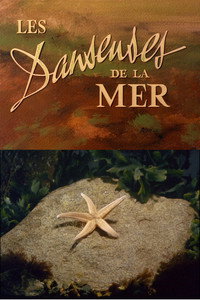
Poster for Sea Ballerinas (1956) 2 13m

Sea Ballerinas

1956

2

Sea Ballerinas

1956 · 13m

Two kinds of starfish, the brittle and the feather. The brittle star moves its arms alone, without the aid of suckers. Underneath is a single opening. Stalks move food close to the mouth and move waste away. We see vents, used in reproduction and breathing. We watch the hatched young expelled into the water. The camera shows us brittle stars' intricate patters. We observe feather stars in clusters, like ferns. One turns over slowly; arms have branches with stalks for breathing and gathering microscopic food. Reproductive organs are inside branches. We see eggs develop at 1,400 nature's speed. Larvae emerge, 0.1 mm long. They grow. A feather star takes a walk.

View details
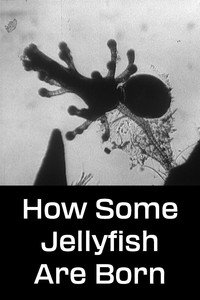
Poster for How Some Jellyfish Are Born (1960) 3 14m

How Some Jellyfish Are Born

1960
3

How Some Jellyfish Are Born

1960 · 14m

At a marine biology station, a clump of algae reveals polyps, stomachs with limbs, limbs with buds, buds with poison cells. This animal reproduces by buds, which we watch close up in time-lapse images. In another kind of jellyfish, the buds grow inside then live outside for a few days until being on their own. Another produces eggs, sometimes self-fertilized. Some single eggs become buds with colonies. Another clump gathered at low tide consists of filaments of a colony - plumes with poison ends. In images taking 72 hours, we see filaments grow and produce a feeding organ from which a plume emerges. New jellyfish emerge from buds twice a day at set times to form a new colonies.

View details
Poster for Shrimp Stories (1964) 4 10m

Shrimp Stories

1964

4

Shrimp Stories

1964 · 10m

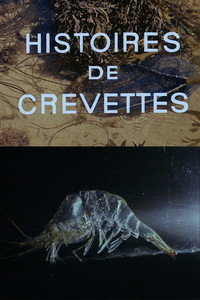
After a comic introduction, we look closely at a shrimp. Eyes on stilts, color patterns, pinchered walking feet, a rostrum. We watch shrimp eat using a strong claw and a fine one; we watch digestion. After eating, shrimp clean themselves. The female lays eggs that cling to her feet. After three weeks, the eggs hatch explosively. Few larvae live to adulthood. We watch an adult shed its carapace with a final leap, leaving it vulnerable; other shrimp attack.

View details
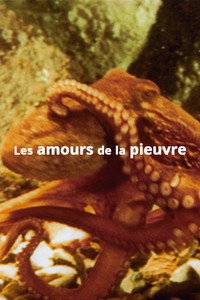
Poster for The Love Life of an Octopus (1967) 5 14m

The Love Life of an Octopus

1967
5

The Love Life of an Octopus

1967 · 14m

An octopus slithers into a narrow crack near the shore; we see its eye up close. It feeds on a crab. In spring it's time to mate. A male grabs a female; he inserts his third arm in her respiratory cavity. We watch another pair: a larger female is the aggressor here. Mating is repeated over hours and days. The female releases strings of fertilized eggs that hang from the roof of a nest. She guards her spawn for a month, fanning the strings to circulate water for oxygen and cleanliness.

View details
Poster for Diatoms (1968) 6 17m

Diatoms

1968

6

Diatoms

1968 · 17m

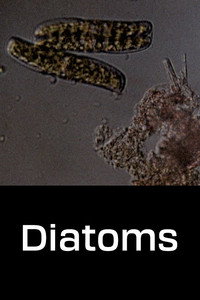
The one-celled long and slender diatom, up close: discovered in 1703 with the invention of the microscope. We observe them magnified 10,000 times: water expelled through the skeleton, mucilage constantly emitted, allowing it to glide. Their energy comes from sunlight. They divide and disperse. The narrator, conversing with a young woman, says their remains cover one-third of the earth's surface. They have uses in petroleum, explosives, and polish. Some live in isolation, some in colonies, like elaborate fans. They can move in clusters. Many small animals eat them. We watch them slide on each other in long strings.

View details
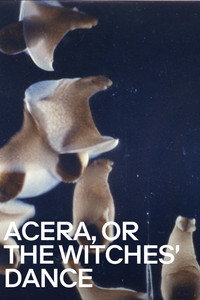
Poster for Acera, or the Witches' Dance (1972) 7 13m

Acera, or the Witches' Dance

1972

7

Acera, or the Witches' Dance

1972 · 13m

In mud flats along the coast of Brittany we watch acera, small ball-shaped mollusks that are about two inches in diameter. They rest in mud; then, in water, they dance, their skirt-like hood spreading like a dervish's cassock. They spin and spin. The film adds musical accompaniment. We watch them mate and secrete eggs: acera are both male and female, and can form chains with other acera in which they simultaneously mate as a male and as a female. The eggs hatch, and the cycle begins again.

View details