Skip to content

Actor ReelRoute

Masayuki Mori
Masayuki Mori
Actor
13 January 1911 – 07 October 1973 | Sapporo, Hokkaido, Japan
8 films in this ReelRoute

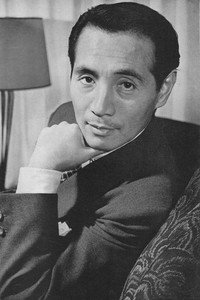
Masayuki Mori  (森 雅之 Mori Masayuki, January 13, 1911 – October 7, 1973) Born in Sapporo, Hokkaido prefecture) was a Japanese actor, the son of Takeo Arishima, a Japanese novelist active during the late Meiji and Taishō periods.

Explore films from Masayuki Mori's work as an actor.

This automatically generated ReelRoute is a starting point, not a complete filmography.

How this ReelRoute is generated

Generated from TMDB movie credits matching this role. Non-documentary films must have a TMDB rating of at least 6.5/10, at least 50 votes, and a poster. Documentaries are currently exempt from those requirements. Eligible films are ranked using a popularity-based score, with up to 24 included, then displayed chronologically. Films outside this ReelRoute may still be part of the person's credits.

Poster for Rashomon (1950) 1

Rashomon

1950

1

Rashomon

1950

Four people recount different versions of the story of a man's murder and the rape of his wife.

View details
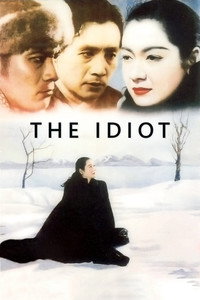
Poster for The Idiot (1951) 2

The Idiot

1951

2

The Idiot

1951

A gentle, war-shattered ex-soldier, Kinji Kameda, arrives in wintry Hokkaidō and is pulled into a volatile tangle of love and pity between the disgraced Taeko Nasu, the proud Ayako, and his possessive friend Akama. Kameda’s saintly compassion exposes everyone’s wounds, steering the quartet toward jealousy, violence, and inexorable tragedy. Adapted from Dostoevsky’s novel.

View details
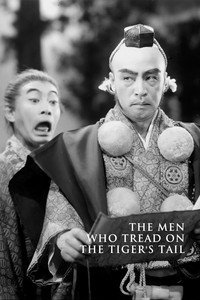
Poster for The Men Who Tread on the Tiger's Tail (1952) 3

The Men Who Tread on the Tiger's Tail

1952

3

The Men Who Tread on the Tiger's Tail

1952

A fugitive lord and his six retainers disguise themselves as monks to bluff their way through a hostile checkpoint.

View details
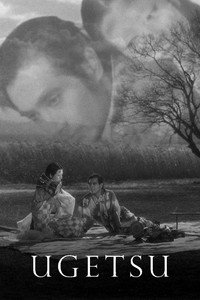
Poster for Ugetsu (1953) 4

Ugetsu

1953

4

Ugetsu

1953

In 16th century Japan, peasants Genjuro and Tobei sell their earthenware pots to a group of soldiers in a nearby village, in defiance of a local sage's warning against seeking to profit from warfare. Genjuro's pursuit of both riches and the mysterious Lady Wakasa, as well as Tobei's desire to become a samurai, run the risk of destroying both themselves and their wives, Miyagi and Ohama.

View details
Poster for Floating Clouds (1955) 5

Floating Clouds

1955

5

Floating Clouds

1955

A married Japanese forester during WWII is sent to Indochina to manage forests. He meets a young Japanese typist and promises to leave his wife. He doesn't and after the war, she turns up and the affair resumes.

View details
Poster for Princess Yang Kwei-fei (1955) 6

Princess Yang Kwei-fei

1955

6

Princess Yang Kwei-fei

1955

In 8th-century China, the Emperor grieves the death of his wife. The Yang family wants to provide the Emperor with a consort so that they may consolidate their court influence. General An Lushan finds a distant relative working in their kitchen, whom they groom to present to the Emperor. The Emperor falls in love and she becomes the Princess Yang Kwei-fei. The Yangs are then appointed important ministers, though An Lushan is not given the court position he covets.

View details
Poster for The Bad Sleep Well (1960) 7

The Bad Sleep Well

1960

7

The Bad Sleep Well

1960

In this loose adaptation of "Hamlet," illegitimate son Kôichi Nishi climbs to a high position within a Japanese corporation and marries the crippled daughter of company vice president Iwabuchi. At the reception, the wedding cake is a replica of their corporate headquarters, but an aspect of the design reminds the party of the hushed-up death of Nishi's father. It is then that Nishi unleashes his plan to avenge his father's death.

View details
Poster for When a Woman Ascends the Stairs (1960) 8

When a Woman Ascends the Stairs

1960

8

When a Woman Ascends the Stairs

1960

Keiko, whom everyone calls Mama, narrates her story: she's a hostess on the Ginza, 30, a widow. She describes life's vicious cycle: acting cheerful around drunks, dressing and living well to convey confidence, needing money for these expenses and for her demanding mother and brother, and knowing she's growing older.

View details