Skip to content

Editor ReelRoute

Yoshiyasu Hamamura
Editor
12 films in this ReelRoute

Yoshiyasu Hamamura (浜村義康) was a director of photography and an editor. He is known for editing many films by Yasujiro Ozu, including Tokyo Story (1953). Hamamura worked from 1924 to 1935 as director of photography before becoming an editor.

Explore films from Yoshiyasu Hamamura's work as an editor.

This automatically generated ReelRoute is a starting point, not a complete filmography.

How this ReelRoute is generated

Generated from TMDB movie credits matching this role. Non-documentary films must have a TMDB rating of at least 6.5/10, at least 50 votes, and a poster. Documentaries are currently exempt from those requirements. Eligible films are ranked using a popularity-based score, with up to 24 included, then displayed chronologically. Films outside this ReelRoute may still be part of the person's credits.
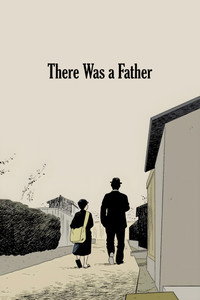
Poster for There Was a Father (1942) 1

There Was a Father

1942

1

There Was a Father

1942

Shuhei Horikawa, a poor schoolteacher, struggles to raise his son Ryohei by himself, despite neither money nor prospects.

View details
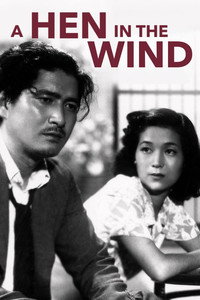
Poster for A Hen in the Wind (1948) 2

A Hen in the Wind

1948

2

A Hen in the Wind

1948

Tokiko patiently awaits her husband's return from WWII when her four-year old son falls ill. She takes him to the doctor but has no means of paying, so she resorts to prostitution. A month later, her husband returns to find his desperate wife, who tells him the truth. Together, they must deal with the consequences.

View details
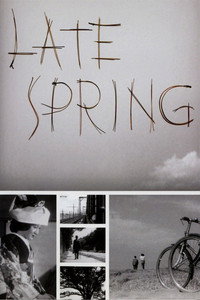
Poster for Late Spring (1949) 3

Late Spring

1949

3

Late Spring

1949

Noriko is perfectly happy living at home with her widowed father, Shukichi, and has no plans to marry -- that is, until her aunt Masa convinces Shukichi that unless he marries off his 27-year-old daughter soon, she will likely remain alone for the rest of her life. When Noriko resists Masa's matchmaking, Shukichi is forced to deceive his daughter and sacrifice his own happiness to do what he believes is right.

View details
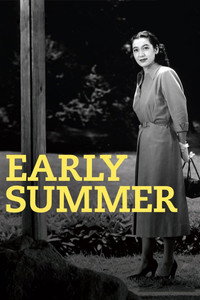
Poster for Early Summer (1951) 4

Early Summer

1951

4

Early Summer

1951

In postwar Tokyo, Noriko lives with her extended family. Although she enjoys her career and her social life, her more traditional family worries about her single marital status at the advanced age of 28. 40-year-old business associate Takako proposes, Noriko's family press her into accepting, but when her widowed childhood friend Kenkichi returns to the neighborhood, she finds her heart leading in another direction.

View details
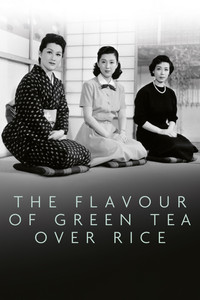
Poster for The Flavor of Green Tea Over Rice (1952) 5

The Flavor of Green Tea Over Rice

1952

5

The Flavor of Green Tea Over Rice

1952

The arranged marriage between a capricious woman from Tokyo high society and a quiet rustic man is tested by a marital crisis.

View details
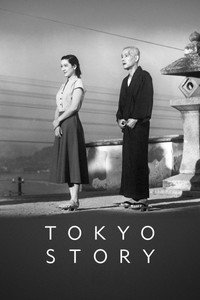
Poster for Tokyo Story (1953) 6

Tokyo Story

1953

6

Tokyo Story

1953

The elderly Shukishi and his wife, Tomi, take the long journey from their small seaside village to visit their adult children in Tokyo. Their elder son, Koichi, a doctor, and their daughter, Shige, a hairdresser, don't have much time to spend with their aged parents, and so it falls to Noriko, the widow of their younger son who was killed in the war, to keep her in-laws company.

View details
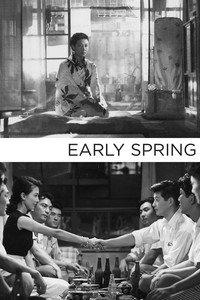
Poster for Early Spring (1956) 7

Early Spring

1956

7

Early Spring

1956

A young salaryman and his wife struggle within the confines of their passionless relationship while he embarks on an extramarital affair.

View details
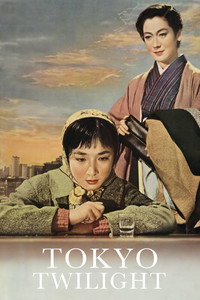
Poster for Tokyo Twilight (1957) 8

Tokyo Twilight

1957

8

Tokyo Twilight

1957

Two sisters learn about the existence of their long-lost biological mother, but the younger is unable to accept the fact that she was abandoned as a child.

View details
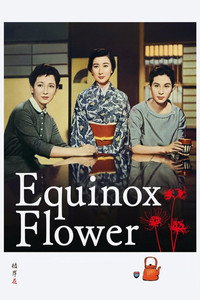
Poster for Equinox Flower (1958) 9

Equinox Flower

1958

9

Equinox Flower

1958

Wataru's outwardly liberal views on marriage are severely tested when his daughter declares her love for a coworker and is adamant to live her own way, instead of agreeing to an arranged marriage. Outwitted by his female relatives, Hirayama stubbornly refuses to admit defeat.

View details
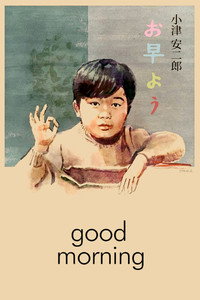
Poster for Good Morning (1959) 10

Good Morning

1959

10

Good Morning

1959

Two boys beg their parents for a television set, nagging them until all patience is lost. The parents order the boys to be quiet and the boys do exactly that--refusing to utter a word. The boys' silence ultimately puts the whole neighborhood into turmoil.

View details
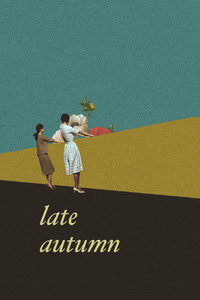
Poster for Late Autumn (1960) 11

Late Autumn

1960

11

Late Autumn

1960

A woman and her daughter are each forced to contend with an increasing pressure to marry, particularly from three men who knew her late husband.

View details
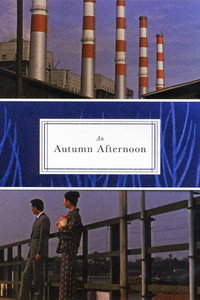
Poster for An Autumn Afternoon (1962) 12

An Autumn Afternoon

1962

12

An Autumn Afternoon

1962

Widower Shuhei Hirayama's caretaker is his 24-year-old daughter, Michiko. Gradually, he comes to realize that Michiko should not be obliged to look after him for the rest of his life, so he arranges a marriage for her.

View details