Skip to content

Actor ReelRoute

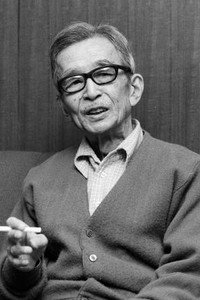
Nobuo Nakamura
Nobuo Nakamura
Actor
14 September 1908 – 05 July 1991 | Otaru, Hokkaido, Japan
14 films in this ReelRoute

Nobuo Nakamura  (中村伸郎 Nakamura Nobuo, September 14, 1908–July 5, 1991 ) was a Japanese actor, who made notable appearances in the films of Akira Kurosawa and Yasujiro Ozu in the 1950s and 1960s.

Explore films from Nobuo Nakamura's work as an actor.

This automatically generated ReelRoute is a starting point, not a complete filmography.

How this ReelRoute is generated

Generated from TMDB movie credits matching this role. Non-documentary films must have a TMDB rating of at least 6.5/10, at least 50 votes, and a poster. Documentaries are currently exempt from those requirements. Eligible films are ranked using a popularity-based score, with up to 24 included, then displayed chronologically. Films outside this ReelRoute may still be part of the person's credits.
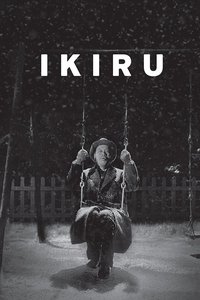
Poster for Ikiru (1952) 1

Ikiru

1952

1

Ikiru

1952

Kanji Watanabe is a middle-aged man who has worked in the same monotonous bureaucratic position for decades. Learning he has cancer, he starts to look for the meaning of his life.

View details
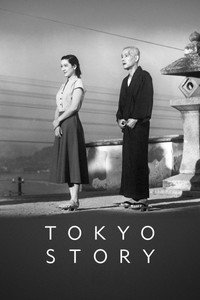
Poster for Tokyo Story (1953) 2

Tokyo Story

1953

2

Tokyo Story

1953

The elderly Shukishi and his wife, Tomi, take the long journey from their small seaside village to visit their adult children in Tokyo. Their elder son, Koichi, a doctor, and their daughter, Shige, a hairdresser, don't have much time to spend with their aged parents, and so it falls to Noriko, the widow of their younger son who was killed in the war, to keep her in-laws company.

View details
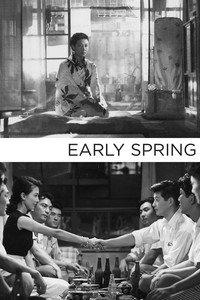
Poster for Early Spring (1956) 3

Early Spring

1956

3

Early Spring

1956

A young salaryman and his wife struggle within the confines of their passionless relationship while he embarks on an extramarital affair.

View details
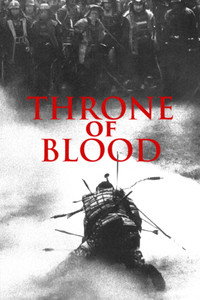
Poster for Throne of Blood (1957) 4

Throne of Blood

1957

4

Throne of Blood

1957

Returning to their lord's castle, samurai warriors Washizu and Miki are waylaid by a spirit who predicts their futures. When the first part of the spirit's prophecy comes true, Washizu's scheming wife, Asaji, presses him to speed up the rest of the spirit's prophecy by murdering his lord and usurping his place. Director Akira Kurosawa's resetting of William Shakespeare's "Macbeth" in feudal Japan is one of his most acclaimed films.

View details
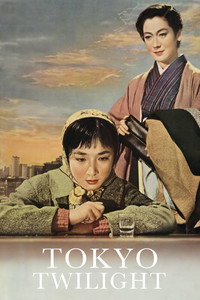
Poster for Tokyo Twilight (1957) 5

Tokyo Twilight

1957

5

Tokyo Twilight

1957

Two sisters learn about the existence of their long-lost biological mother, but the younger is unable to accept the fact that she was abandoned as a child.

View details
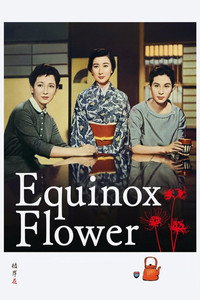
Poster for Equinox Flower (1958) 6

Equinox Flower

1958

6

Equinox Flower

1958

Wataru's outwardly liberal views on marriage are severely tested when his daughter declares her love for a coworker and is adamant to live her own way, instead of agreeing to an arranged marriage. Outwitted by his female relatives, Hirayama stubbornly refuses to admit defeat.

View details
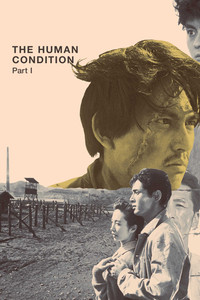
Poster for The Human Condition I: No Greater Love (1959) 7

The Human Condition I: No Greater Love

1959
7

The Human Condition I: No Greater Love

1959

After handing in a report on the treatment of Chinese colonial labor, Kaji is offered the post of labour chief at a large mining operation in Manchuria, which also grants him exemption from military service. He accepts and moves with his newlywed wife Michiko, but when he tries to put his ideas of more humane treatment into practice, he finds himself at odds with scheming officials, cruel foremen, and the military police.

View details
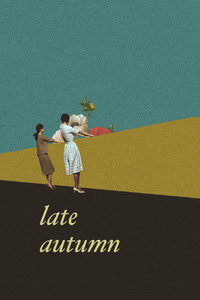
Poster for Late Autumn (1960) 8

Late Autumn

1960

8

Late Autumn

1960

A woman and her daughter are each forced to contend with an increasing pressure to marry, particularly from three men who knew her late husband.

View details
Poster for The Bad Sleep Well (1960) 9

The Bad Sleep Well

1960

9

The Bad Sleep Well

1960

In this loose adaptation of "Hamlet," illegitimate son Kôichi Nishi climbs to a high position within a Japanese corporation and marries the crippled daughter of company vice president Iwabuchi. At the reception, the wedding cake is a replica of their corporate headquarters, but an aspect of the design reminds the party of the hushed-up death of Nishi's father. It is then that Nishi unleashes his plan to avenge his father's death.

View details
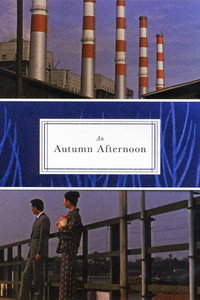
Poster for An Autumn Afternoon (1962) 10

An Autumn Afternoon

1962

10

An Autumn Afternoon

1962

Widower Shuhei Hirayama's caretaker is his 24-year-old daughter, Michiko. Gradually, he comes to realize that Michiko should not be obliged to look after him for the rest of his life, so he arranges a marriage for her.

View details
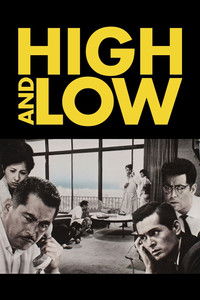
Poster for High and Low (1963) 11

High and Low

1963

11

High and Low

1963

A Yokohama shoe executive faces a wrenching choice when kidnappers mistakenly seize his chauffeur’s son but demand the ransom anyway.

View details
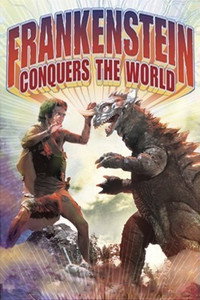
Poster for Frankenstein Conquers the World (1965) 12

Frankenstein Conquers the World

1965
12

Frankenstein Conquers the World

1965

During WWII, Germans obtain the immortal heart of Frankenstein's monster and transport it to Japan to prevent it being seized by the Allies. Kept in a Hiroshima laboratory, it is seeming lost when the United States destroys the city with the atomic bomb. Years later a wild boy is discovered wandering the streets of the city alone, born of the immortal heart.

View details
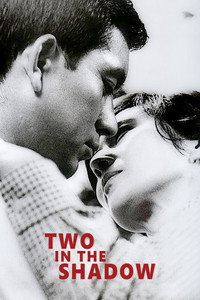
Poster for Two in the Shadow (1967) 13

Two in the Shadow

1967

13

Two in the Shadow

1967

A man is involved in a fatal car accident, and though he is blameless, his company transfers him to a remote branch in a small town. Before he leaves, he gives the man's widow a large sum of money that she uses to move back to her hometown.

View details
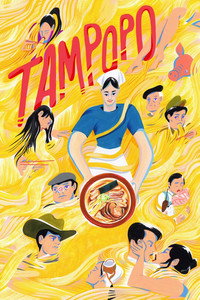
Poster for Tampopo (1985) 14

Tampopo

1985

14

Tampopo

1985

In this humorous paean to the joys of food, a pair of truck drivers happen onto a decrepit roadside shop selling ramen noodles. The widowed owner, Tampopo, begs them to help her turn her establishment into a paragon of the "art of noodle-soup making". Interspersed are satirical vignettes about the importance of food to different aspects of human life.

View details