Skip to content

Actor ReelRoute

Seiji Miyaguchi
Seiji Miyaguchi
Actor
15 November 1913 – 12 April 1985 | Tokyo, Japan
12 films in this ReelRoute

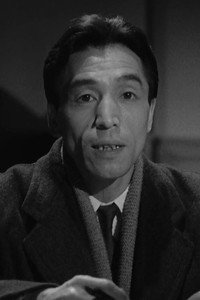
Seiji Miyaguchi (宮口 精二 Miyaguchi Seiji, November 15, 1913–April 12, 1985) was a Japanese actor who appeared in such films as Akira Kurosawa's Seven Samurai (as Kyuzo, the master swordsman) despite the actor's confession to have never handled a sword before the role, Ikiru as a yakuza boss from "rest...

Explore films from Seiji Miyaguchi's work as an actor.

This automatically generated ReelRoute is a starting point, not a complete filmography.

How this ReelRoute is generated

Generated from TMDB movie credits matching this role. Non-documentary films must have a TMDB rating of at least 6.5/10, at least 50 votes, and a poster. Documentaries are currently exempt from those requirements. Eligible films are ranked using a popularity-based score, with up to 24 included, then displayed chronologically. Films outside this ReelRoute may still be part of the person's credits.
Poster for Early Summer (1951) 1

Early Summer

1951

1

Early Summer

1951

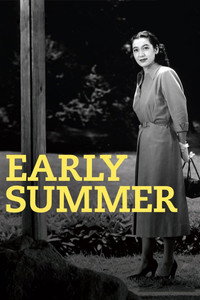
In postwar Tokyo, Noriko lives with her extended family. Although she enjoys her career and her social life, her more traditional family worries about her single marital status at the advanced age of 28. 40-year-old business associate Takako proposes, Noriko's family press her into accepting, but when her widowed childhood friend Kenkichi returns to the neighborhood, she finds her heart leading in another direction.

View details
Poster for Ikiru (1952) 2

Ikiru

1952

2

Ikiru

1952

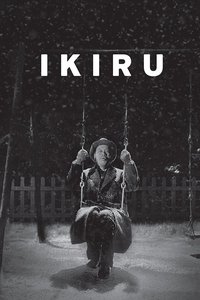
Kanji Watanabe is a middle-aged man who has worked in the same monotonous bureaucratic position for decades. Learning he has cancer, he starts to look for the meaning of his life.

View details
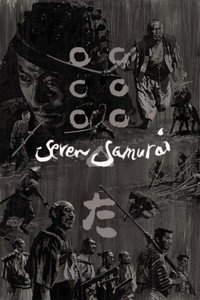
Poster for Seven Samurai (1954) 3

Seven Samurai

1954

3

Seven Samurai

1954

A samurai answers a village's request for protection after he falls on hard times. The town needs protection from bandits, so the samurai gathers six others to help him teach the people how to defend themselves, and the villagers provide the soldiers with food.

View details
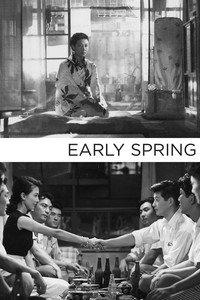
Poster for Early Spring (1956) 4

Early Spring

1956

4

Early Spring

1956

A young salaryman and his wife struggle within the confines of their passionless relationship while he embarks on an extramarital affair.

View details
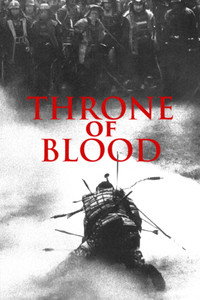
Poster for Throne of Blood (1957) 5

Throne of Blood

1957

5

Throne of Blood

1957

Returning to their lord's castle, samurai warriors Washizu and Miki are waylaid by a spirit who predicts their futures. When the first part of the spirit's prophecy comes true, Washizu's scheming wife, Asaji, presses him to speed up the rest of the spirit's prophecy by murdering his lord and usurping his place. Director Akira Kurosawa's resetting of William Shakespeare's "Macbeth" in feudal Japan is one of his most acclaimed films.

View details
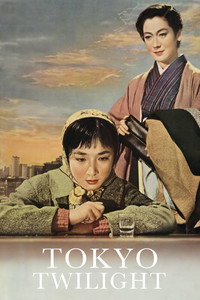
Poster for Tokyo Twilight (1957) 6

Tokyo Twilight

1957

6

Tokyo Twilight

1957

Two sisters learn about the existence of their long-lost biological mother, but the younger is unable to accept the fact that she was abandoned as a child.

View details
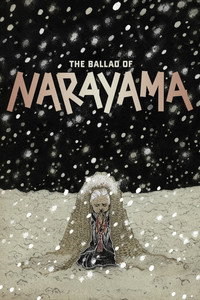
Poster for The Ballad of Narayama (1958) 7

The Ballad of Narayama

1958

7

The Ballad of Narayama

1958

In a remote village where food is scarce, elders who reach the age of 70 are carried by their children to the top of a nearby mountain to die in solitude. Orin, a vibrant 69-year-old grandmother, has accepted her fate — but struggles to prepare the rest of her family for the ritual.

View details
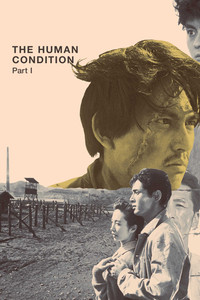
Poster for The Human Condition I: No Greater Love (1959) 8

The Human Condition I: No Greater Love

1959

8

The Human Condition I: No Greater Love

1959

After handing in a report on the treatment of Chinese colonial labor, Kaji is offered the post of labour chief at a large mining operation in Manchuria, which also grants him exemption from military service. He accepts and moves with his newlywed wife Michiko, but when he tries to put his ideas of more humane treatment into practice, he finds himself at odds with scheming officials, cruel foremen, and the military police.

View details
Poster for The Bad Sleep Well (1960) 9

The Bad Sleep Well

1960

9

The Bad Sleep Well

1960

In this loose adaptation of "Hamlet," illegitimate son Kôichi Nishi climbs to a high position within a Japanese corporation and marries the crippled daughter of company vice president Iwabuchi. At the reception, the wedding cake is a replica of their corporate headquarters, but an aspect of the design reminds the party of the hushed-up death of Nishi's father. It is then that Nishi unleashes his plan to avenge his father's death.

View details
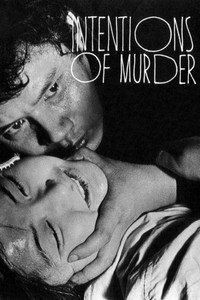
Poster for Intentions of Murder (1964) 10

Intentions of Murder

1964

10

Intentions of Murder

1964

The neglected common-law wife of a Japanese librarian is repeatedly harassed by a young man with a heart condition who seduces her with the prospect of a better life.

View details
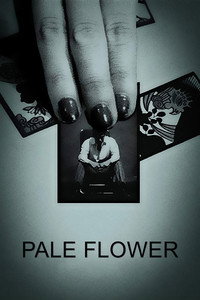
Poster for Pale Flower (1964) 11

Pale Flower

1964

11

Pale Flower

1964

A recently released gangster has to cope with the recent shifts of power between gangs, while taking care of a thrill-seeking young woman, who got in bad company while gambling.

View details
Poster for Kwaidan (1965) 12

Kwaidan

1965

12

Kwaidan

1965

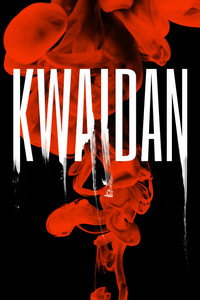
Taking its title from an archaic Japanese word meaning "ghost story," this anthology adapts four folk tales. A penniless samurai marries for money with tragic results. A man stranded in a blizzard is saved by Yuki the Snow Maiden, but his rescue comes at a cost. Blind musician Hoichi is forced to perform for an audience of ghosts. An author relates the story of a samurai who sees another warrior's reflection in his teacup.

View details