Skip to content

Cinematographer ReelRoute

Koshiro Otsu
Cinematographer
14 films in this ReelRoute

Koshiro Otsu (大津 幸四郎 Otsu Koshiro, 1934 - 28 November 2014) was a Japanese cinematographer and film director. Otsu is one of the most famous cinematographers in Japanese film history. He joined Iwanami Productions in 1958.

Explore films from Koshiro Otsu's work as a cinematographer.

This automatically generated ReelRoute is a starting point, not a complete filmography.

How this ReelRoute is generated

Generated from TMDB movie credits matching this role. Non-documentary films must have a TMDB rating of at least 6.5/10, at least 50 votes, and a poster. Documentaries are currently exempt from those requirements. Eligible films are ranked using a popularity-based score, with up to 24 included, then displayed chronologically. Films outside this ReelRoute may still be part of the person's credits.
Poster for The Oppressed Students (1967) 1

The Oppressed Students

1967

1

The Oppressed Students

1967

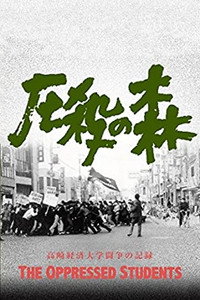
A galvanising documentary about the organised resistance of a group of students barricaded at the Takasaki City University of Economics. The university student struggles at the end of the 1960s in Japan were the culmination of over a decade of protests, social dissent and political unrest. All this gave energy to the student movement, which displayed original and sustained forms of organisation and resistance against the government and which would spread to universities all over the country. Together with the filmmakers of the recently formed collective Jieiso, Ogawa Shinsuke joined a group of students barricading themselves inside the Takasaki City University of Economics. Shot over the course of a year, this film documents the nature of the political discussion and organisation as well as the fierce debates going on among the students and their violent struggles with the authorities. Credit: ICA London

View details
Poster for Summer in Sanrizuka (1968) 2

Summer in Sanrizuka

1968

2

Summer in Sanrizuka

1968

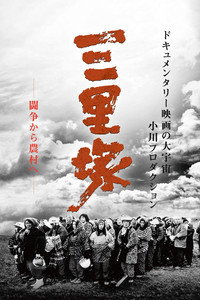
In 1968, Ogawa decided to form Ogawa Productions and locate it at the newly announced construction site of Narita International Airport in a district called Sanrizuka. Ogawa chose to locate his company in the most radical of the villages, Heta. Some farmers immediately sold their land; others vehemently protested and drew the support of social movements across the country. Together they clashed with riot police sent in to protect surveyors, who were plotting out the airport. Summer in Sanrizuka is a messy film – its chaos communicating the passions and actions on the ground.

View details
Poster for Prehistory of the Partisans (1969) 3

Prehistory of the Partisans

1969

3

Prehistory of the Partisans

1969

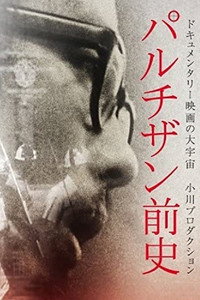
This film documents student preparations for the final phases of the 1969 protests against the renewal of the security treaty.

View details
Poster for Minamata: The Victims and Their World (1971) 4

Minamata: The Victims and Their World

1971
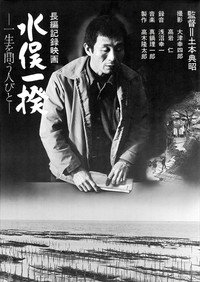
4

Minamata: The Victims and Their World

1971

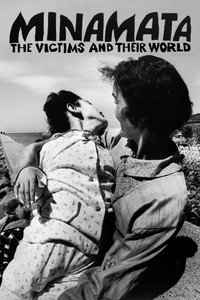
The first in a series of independent documentaries that Tsuchimoto made of the mercury poisoning incident in Minamata, Japan.

View details
Poster for Minamata Revolt: A People's Quest for Life (1973) 5

Minamata Revolt: A People's Quest for Life

1973
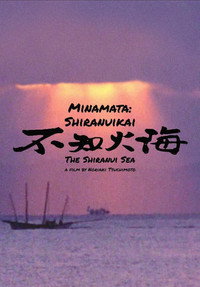
5

Minamata Revolt: A People's Quest for Life

1973

Second film in Tsuchimoto's series on Minamata disease - the victims of Minamata disease negotiate directly with Chisso Corporation (responsible for dumping toxic water into Minamata Bay) for life-long medical care and compensation.

View details
Poster for The Shiranui Sea (1975) 6

The Shiranui Sea

1975

6

The Shiranui Sea

1975

The sea around Minamata was heavily polluted with mercury during the 1950s and 1960s from the Chisso Corporation's chemical factory. This highly toxic chemical bioaccumulated in shellfish and fish in the Yatsushiro Sea which, when eaten by the local populace, gave rise to Minamata disease. The disease was responsible for the deaths and disabling of thousands of residents, all around the Yatsushiro Sea. The marine ecosystem was also extensively damaged.

View details
Poster for The Old Man and the Sea (1990) 7

The Old Man and the Sea

1990

7

The Old Man and the Sea

1990

View details
Poster for Dolce (2000) 8

Dolce

2000

8

Dolce

2000

A documentary portrait of Miho Shimao, widow of renowned Japanese writer Toshio Shimao.

View details
Poster for Hanako (2001) 9

Hanako

2001

9

Hanako

2001

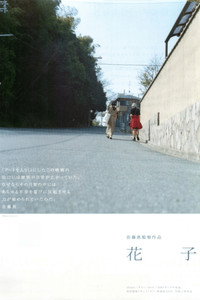
An unusual family portrait questioning the definitions of art, family, and what it means to be disabled. Imamura Hanako is a 22-year-old girl with severe autism. Once a week she attends a painting class, where she paints pictures in oils. Every evening after dinner, she creates what her mother Chisa has named “food art.” This may only involve arranging the leftovers from the day’s meal on the floor or a tray, but Chisa records the works every day, accumulating some thousands of photographs. The collection of photographs has now been exhibited around the country. Following Hanako’s daily life in the routine of the four members of the Imamura family, we watch as a portrait of a “very ordinary” family unfold.

View details
Poster for Power and Terror: Noam Chomsky in Our Times (2002) 10

Power and Terror: Noam Chomsky in Our Times

2002
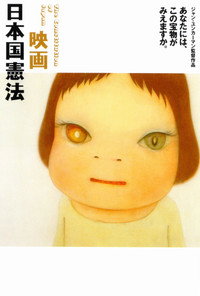
10

Power and Terror: Noam Chomsky in Our Times

2002

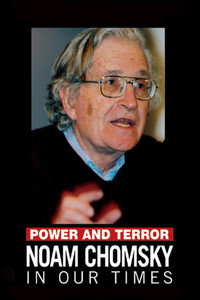
This documentary compiles a series of Noam Chomsky's interviews and lectures that address the events of 9/11.

View details
Poster for The Constitution of Japan (2005) 11

The Constitution of Japan

2005

11

The Constitution of Japan

2005

In 2005, sixty years after the end of World War II, the conservative Japanese government is pressing ahead with plans to revise the nation's constitution and jettison its no-war clause, Article 9. This documentary places the ongoing debate over the constitution in an international context:

View details
Poster for Out of Place: Memories of Edward Said (2006) 12

Out of Place: Memories of Edward Said

2006
12

Out of Place: Memories of Edward Said

2006

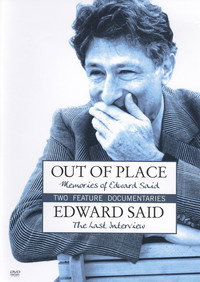
Documentary filmmaker Makoto Sato offers this reflection on the life and career of Edward Said, the deeply influential literary and cultural critic, Columbia University academic, and outspoken advocate for displaced Palestinians, of whom he was one. Exploring the landscapes of Said's childhood and how they influenced his philosophy, this film features rare footage of Said and interviews with many of his colleagues, including Noam Chomsky.

View details
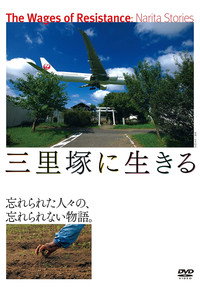
Poster for The Wages of Resistance: Narita Stories (2014) 13

The Wages of Resistance: Narita Stories

2014
13

The Wages of Resistance: Narita Stories

2014

The Wages of Resistance is a feature-length documentary film that portrays an "extended span of time" of the protests against building Narita International Airport which have continued from the 1960's to today through documenting monologues of those whose lives were twisted by the movement.

View details
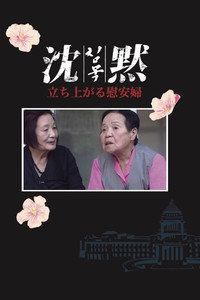
Poster for The Silence (2017) 14

The Silence

2017

14

The Silence

2017

The Silence narrates the struggle of fifteen "comfort women"—former sex slaves by the Imperial Japanese Army during WWII—for recognition and reparation. The "comfort women" issue has previously been treated almost exclusively within the framework of Korean nationalism. The Silence will provide insight into the ways in which nationalism and the emergence of post-war Asian nation-states have hindered the understanding of "comfort women" narratives through Zainichi Korean documentary filmmaker Soo-nam Park's point of view.

View details